Gas chromatography
Published over 11 years ago. See the latest and most current information on Gas chromatography.
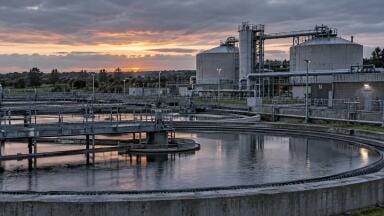
The production of bleach requires Chlorine, which is manufactured by the process of electrolysis. It is important to analyse the quality of the Chlorine gas to ensure that the electrolysis process is efficient with respect to time, therefore not wasting electricity and to ensure there are no leaks between the membranes. By analysing the impurities Hydrogen, Oxygen, Nitrogen and Carbon Dioxide in Chlorine gas will indicate the efficiency of the process and any leakage.
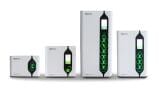
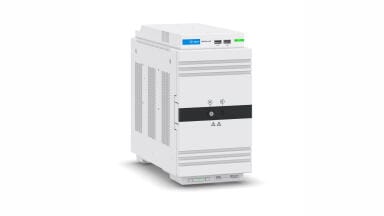
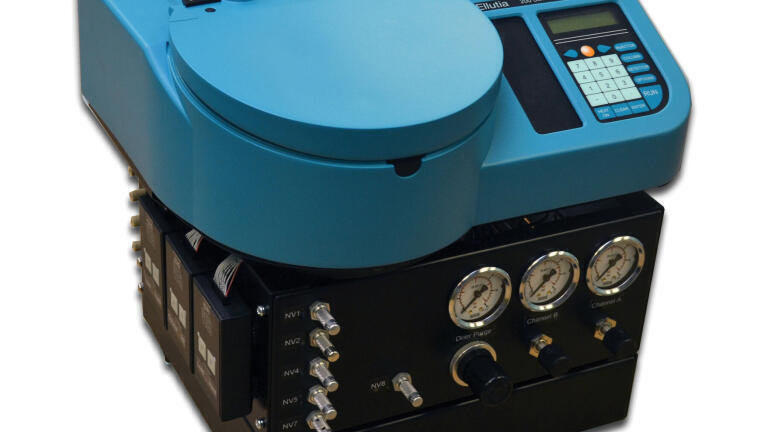
Ellutia have developed a customised version of the 200 Series GC with Multi Dimensional Chromatographic channels each with a TCD to perform this analysis.
Channel A is for the analysis of Hydrogen in the range 0.01 to 0.5% vol. using Argon carrier gas.
Channel B is for the analysis of Oxygen, Nitrogen and Carbon Dioxide in the range 0.01 to 3% vol. using Helium carrier gas.
Special Hastelloy valves, pipework and columns have been installed to reduce corrosion by the sample. Multi Dimensional Chromatography techniques are employed to ensure the Chlorine matrix gas does not reach the TCD. With the added heated Naffion dryer installed in the sample line (to remove moisture thus reducing potential corrosion) the analyser can be placed ‘on-line’.
For more information visit http://j.mp/UhhiXz
Lab Asia 33.4 - August 2026

.jpg)

 Product directory