Gas chromatography
Published over 13 years ago. See the latest and most current information on Gas chromatography.
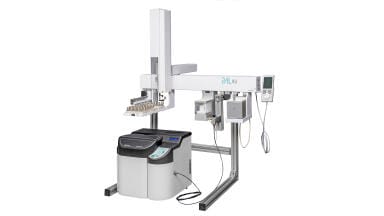
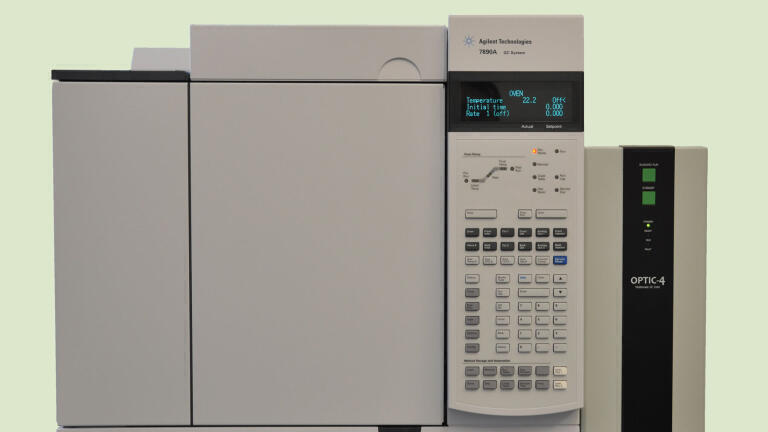
Ellutia are pleased to be able to offer the OPTIC-4 multimode Inlet for GC from ATAS GL. The Optic-4 has a range of features and solution that are not found in any other GC inlet. The patented low thermal mass design of the inlet body together with direct resistive heating provide fast linear temperature programming up to 600°C at rates as high as 60°C/s.
In addition to standard sampling modes, the programmable inlet can operate effectively as Large Volume Injection, Pyrolysis or Thermal Desorption sample introduction device. With the options for sub-ambient cooling, backflush, cryogenic trapping and automated liner exchange, OPTIC-4 is the world’s most versatile inlet for gas chromatography.
With the OPTIC-4, a user can introduce a wide range of samples to their GC including those containing high matrix or thermally labile compounds. The samples can also be water based or solid. Automated solvent venting procedure based on the standard solvent sensor in the split line makes large volume injections as easy as the industry standard split or splitless.
The OPTIC-4 inlet is designed to be installed on any GC make. The inlet and its control are also compatible with most makes of autosampler available on the market.
For further information please visit http://j.mp/UPgYhJ
ILM 51.6 Sept 2026

 Product directory