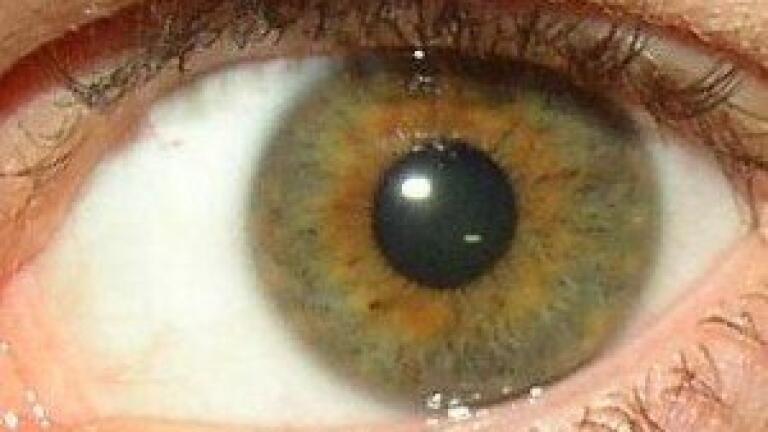
Laboratory product news reveals that scientists have developed a method of testing variations in night vision.
The research stems from the Department of Optics at the University of Granada, which has created both the software to test night vision and the tool with which to use it, dubbed the halometer.
Subjects are placed in a room with low light levels and - once their eyes have adjusted - are then showed different light-based stimuli.
Pressing a button each time one of these is detected, the subject will find that the software puts together an assessment of their responses to visual disturbances.
The software has been used to test patients both with healthy eyes and those with conditions such as cataracts, as well as individuals who have had corrective surgery.
Recently, scientists at Case Western Reserve University disclosed a development in laboratory product news, which showed that polymer-dipped carbon nanotubes could prove to be an effective catalyst for fuel cells.



 Product directory