Laboratory products
Published over 4 years ago. See the latest and most current information on Laboratory products.
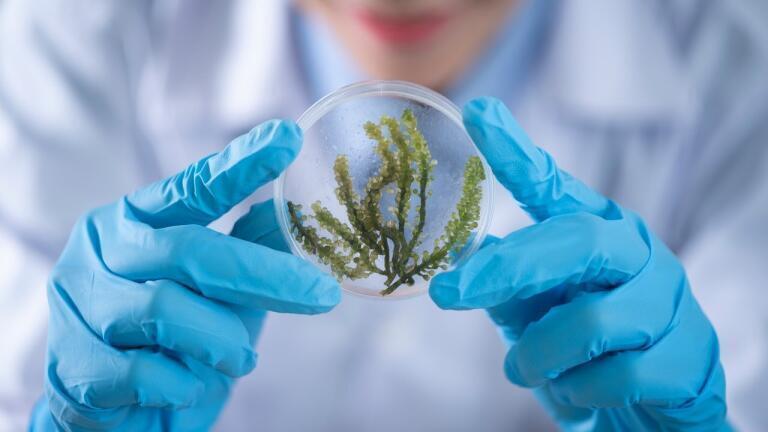
Sustainability is fast becoming the blueprint for modern business strategy, and laboratories are no exception.
However, running a lab uses a significant amount of energy and resources, which comes at a higher cost to the bottom line and the planet. In response to this, many laboratories and pharma companies are taking steps to future proof operations.
A sustainable laboratory implements practices to minimise its impact on the environment. For example, many labs use a lot of water and energy. But, it can be a challenge to reduce this without affecting operations.
However, it is possible to create a sustainable lab. Some of the main characteristics of this type of environment include:
While introducing sustainable practices into a lab can be challenging, it’s not impossible. Of course, some aspects are easier to implement than others. But technology and product innovation is changing every day to bring labs into the green era.
If labs can make the switch, there are some key benefits to this environment:
In other sectors, the above strategies are simple to implement. However, a lab environment presents more challenges. For example, many laboratories run throughout the day and night. As a result, vital systems and processes can’t be switched off. Plus, lab equipment and systems like ultra-low temperature freezers, typically consume more energy than standard electrical equipment.
There’s also an issue with waste. Plastic is primarily used due to legal requirements, and many items can only be utilised once. So in many cases, sustainable materials sometimes can’t be used as safety, and legal regulations are paramount.
With labs using more energy and resources than typical offices, their design is important in creating a sustainable space.
All aspects of the design, from ventilation, filtration, and lighting levels, play a role. However, health and safety are over-arching elements in any lab. Therefore, changes must adhere to these regulations, and balancing this can be an obstacle.
Sustainability within a laboratory is possible. But in many cases, the concept will take time, financial investment and technology enhancements to make it a reality.
ILM 51.6 Sept 2026




 Product directory























.jpg)