
Laboratory products
Fat measurement plays a key role in assessing the nutritional value, quality, and marketability of food and feed products. Accurate results ensure product consistency, regulatory compliance, and transparent labeling — all essential to meet both industry standards and consumer expectations.
Among the available techniques, solvent extraction remains the most trusted and widely used thanks to its accuracy and established protocols. The choice between crude fat and total fat determination depends on the purpose of the analysis, the product type, and regulatory requirements.
Crude Fat
Determines the free lipid content (ether extract) through organic solvent extraction. It is widely used in:
Total Fat
Measures the entire lipid content, including chemically or physically bound fats, through a hydrolysis step followed by complete extraction. This method is essential for:
Opt for crude fat when you need fast, routine checks and when industry regulations accept this standard.
Choose total fat for the most complete and accurate results, especially for nutritional labels and R&D.
Many laboratories combine both methods to cover every regulatory and customer requirement.
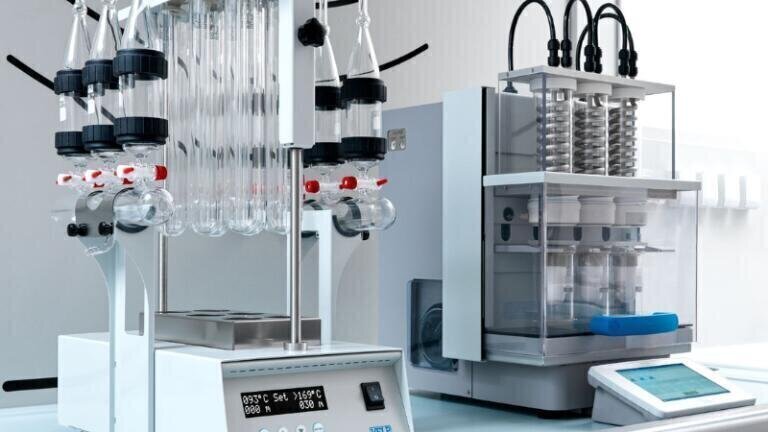
Traditional Soxhlet and Twisselmann extractions remain industry benchmarks for robustness, while modern adaptations like the Randall (Hot Solvent) method deliver significant time and solvent savings.
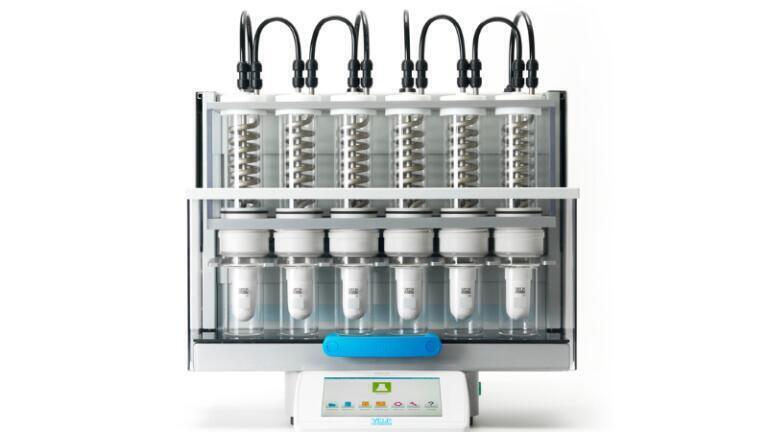
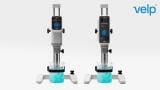
Choosing the right method depends on the type of sample, required accuracy, and compliance needs. Advanced solutions like the SER 158 allow you to perform both crude and total fat determinations efficiently, helping your lab stay ahead in quality, compliance, and productivity. Velp SER 158 cuts extraction times by up to 75% compared to Soxhlet, while ensuring reproducibility, safety, and efficiency.
Velp. Driven by Curiosity.
ILM 51.6 Sept 2026



 Product directory





















.jpg)
