Laboratory products
Published over 5 years ago. See the latest and most current information on Laboratory products.
Infrared rays (IR) are electromagnetic waves in the wavelength from 760nm to 1mm, between microwave and visible light. Anything above absolute zero (- 273.15ºC) can produce infrared rays. Modern physics refers to them as heat rays; the heat of the sun reaches the earth mainly through infrared rays.
The infrared absorption capacity is relatively weak, so the effect of direct heating is not ideal, however there are ways to meet heating requirements: as alloy has a smooth surface, a dense internal structure, low infrared absorption, infrared frequencies and most substances such as water, wood, plastic, fibre, paint, the vibrations of the molecules on the surface of the food correspond to those of the human body, and the molecules of such substances absorb infrared radiation, causing them to move violently in the form of rising temperatures. When the frequency of the infrared ray matches the vibration frequency of the irradiated molecule, the temperature increases remarkably. Therefore, infrared can be used for a wide range of heating applications.
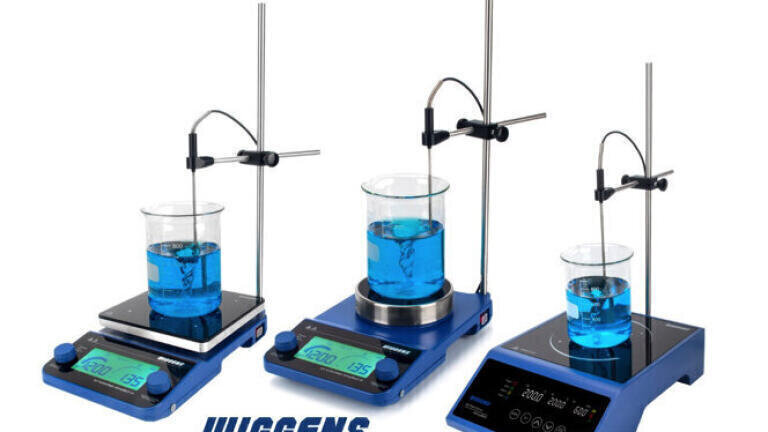
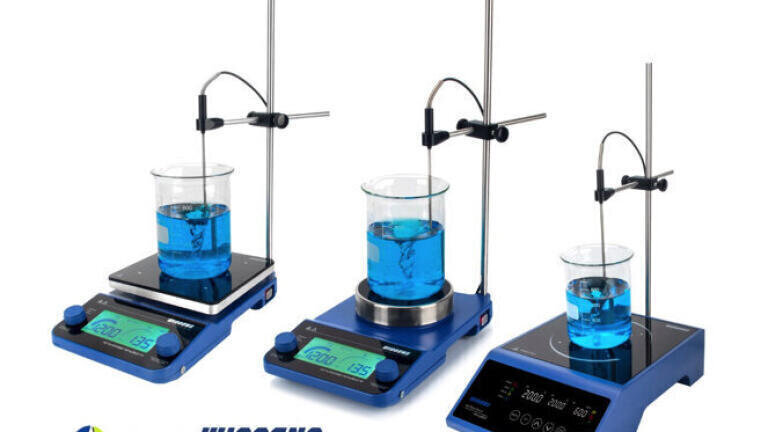
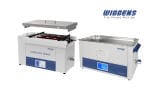
Wiggens uses ceramic glass as the heating surface in a new generation of hot plate and hot plate/stirrers. Chemical resistance, a high surface quality and a resistance to temperature shocks of more than 700°C provide the user with maximum benefits compared to conventional heating surface materials. The poreless smooth surface enables even most stubborn dirt to be easily removed.
The high infrared permeability ensures that the heating energy is transferred quickly and with a low loss rate. It heats liquids faster than other heating surface materials, thus saving time and energy. Wiggens hot plate/stirrers integrates a variety of infrared heating technology to provide you with a reliable experience in your lab.
More information online
ILM 51.6 Sept 2026


 Product directory



















.jpg)