Research news
Cell-based research has suggested that a low concentration of multifloral honey may help human skin cells to resist ultraviolet-induced stress, although researchers said clinical and cosmetic applications remain at an early experimental stage
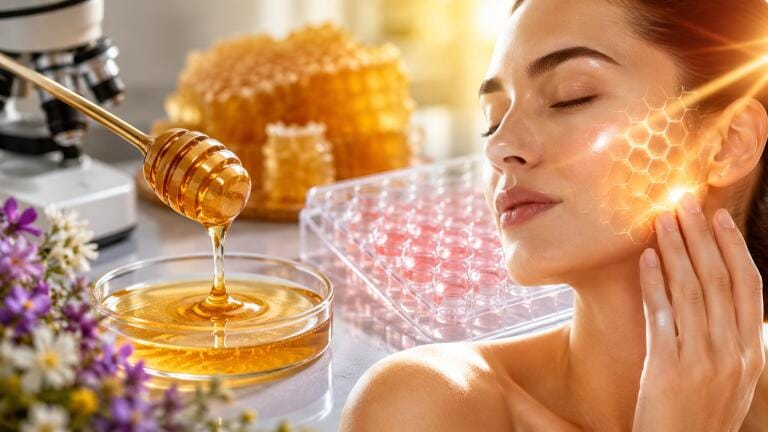
Ongoing research has suggested that multifloral honey could help to protect human skin cells from premature ageing and cellular damage caused by ultraviolet radiation, with possible future value for clinical and cosmetic skin formulations.
Honey has long attracted attention in medical and cosmetic research because of its antioxidant, antimicrobial, anti-inflammatory and wound-healing properties. Sterile honey-derived medical products are already available as dressings, gels and ointments for burns and difficult-to-heal wounds.
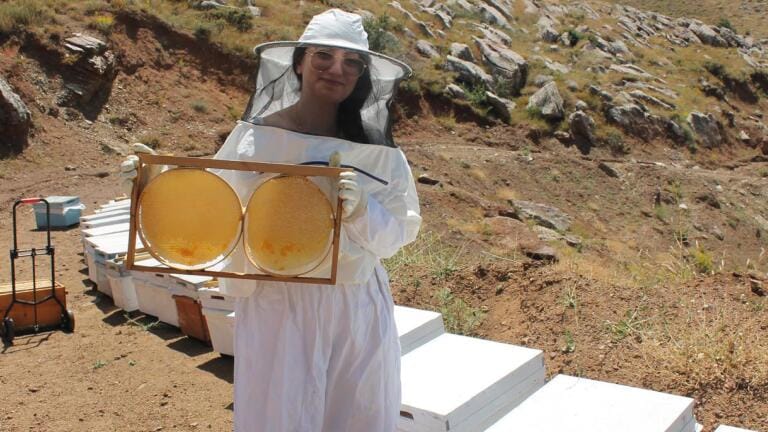
“I have always been interested in the fact that certain honeys – such as Manuka honey – are used in medical-grade applications. This led me to ask whether high-quality multifloral honey could also show measurable protective effects for [other] human skin cells,” said Dr Fikiye Fulya Kavak, a member of Professor Margherita Maioli’s research team at the University of Sassari in Italy.
Dr Kavak examined whether multifloral honey could have effects beyond wound care, with particular focus on whether it could help skin cells withstand ultraviolet stress, recover after exposure and retain characteristics linked to tissue renewal.
Ultraviolet radiation can accelerate skin ageing, disrupt cellular function and contribute to stress responses associated with skin cancer. Professor Maioli’s team therefore investigated whether multifloral honey could protect human skin cells from ultraviolet damage and explored the molecular mechanisms that might explain any protective effect.
The researchers cultured human skin stem cells, fibroblasts and keratinocytes together in a continuously flowing bioreactor designed to simulate aspects of the physiological environment of human skin. Before ultraviolet exposure, some cultures received pretreatment with one per cent multifloral honey for 48 hours, after which the team compared treated and untreated cells.
The researchers also analysed the expression of genes associated with cellular ageing, stress responses and tissue renewal through real-time quantitative polymerase chain reaction. Particular attention focused on genes linked to stemness, the ability of cells to self-renew or differentiate into specialised cell types.
The principal finding was that one per cent multifloral honey pretreatment appeared to support a protective and regulatory response against ultraviolet-induced stress in both skin stem cells and fibroblasts.
“In skin stem cells, honey increased the expression of stemness-related markers, while reducing the expression of ageing-associated genes,” said Kavak.
Honey treatment also reduced nitric oxide release and increased antioxidant capacity in skin stem cells which suggested stronger antioxidant defences under ultraviolet stress. Nitric oxide is an important signalling molecule but increased release can also form part of the cellular stress response.
The genetic analysis indicated that honey treatment helped to regulate signalling linked to cell proliferation and renewal while increasing the expression of genes involved in protection against cellular stress. Together, the findings suggested that multifloral honey did not simply stimulate repair pathways but may have helped cells to maintain a more balanced response after ultraviolet exposure.
“What was particularly interesting was that honey seemed to help the cells find a healthier balance after UV stress. Rather than pushing the cells into an exaggerated repair response, it appeared to support protective mechanisms while keeping renewal-related signals under control,” Kavak added.
The team has continued to investigate whether changes observed at the messenger RNA (mRNA) level are also reflected in protein expression, since alterations in mRNA do not always produce corresponding changes in protein abundance or activity.
“We have been working on protein-level validation studies to confirm whether the molecular changes observed at the mRNA level are also reflected at the protein level,” Dr Kavak said.
The findings may have future relevance for medical and cosmetic research, particularly in the development of controlled topical formulations that contain natural bioactive compounds. However, the team stressed that multifloral honey should not be regarded as a clinical treatment or as an alternative to sunscreen.
“Our study was performed in cell-based experimental models – not in humans – so further laboratory, preclinical and clinical studies are needed before any practical recommendation can be made,” said Kavak.
The researchers believe the work could contribute to the design of novel skin formulations if the active properties of multifloral honey can be delivered in a controlled and biocompatible way. One possible approach involves a nanofibre-based delivery system already under development.
“These nanofibres have already been characterised, and their biological evaluation is currently ongoing. This represents an important next step, as nanofibre-based systems may provide a more advanced platform for the study of potential skin-related applications of natural bioactive compounds such as multifloral honey,” Kavak explained.
ILM 51.6 Sept 2026



 Product directory













,-photo-Karin-Allander.jpg)



.jpg)
