Research news
Achieving a near-complete cure for chronic hepatitis B virus (HBV) infection has long been a challenge for clinicians. Key indicators such as HBsAg seroconversion, lasting HBsAg loss, and the presence of anti-HBs antibodies signal an almost complete cure - but these outcomes remain rare with current antiviral therapies.
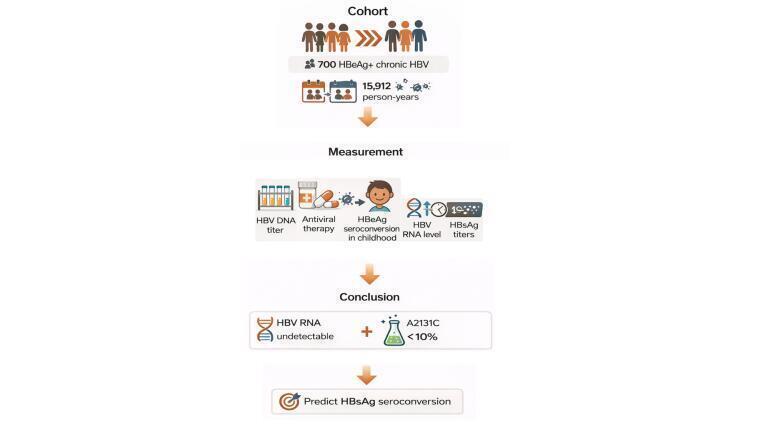
Now, researchers at the College of Medicine, National Taiwan University, and National Taiwan University Children’s Hospital have uncovered a promising predictor: the absence of circulating HBV RNA after HBeAg seroconversion. Their findings [1], published in Gut, highlight novel biomarkers that could help clinicians anticipate which patients are most likely to achieve HBsAg seroconversion.
HBV continues to be a leading cause of chronic viral hepatitis, responsible for over 1 million deaths globally each year. Since 1984, the Taiwanese research team has followed a long-term cohort of patients from childhood to adulthood, tracking the natural progression of infection and responses to treatment.
Previous studies have shown that treating chronic HBV-infected children with lamivudine can increase the risk of HBV flare in adulthood. As a result, clinicians have often favoured conservative observation. The question of when - or whether - to treat children with chronic HBV infection remains unresolved.
In this study, the team confirmed that previously known predictors - HBsAg < 1000 IU/mL after HBeAg seroconversion and antiviral treatment before 18 years of age - remain strong indicators of functional cure. More importantly, they identified two novel biomarkers: undetectable circulating HBV RNA and A2131C mutants below 10% after HBeAg seroconversion. Both are strongly associated with HBsAg seroconversion, offering new tools for precision management of chronic HBV infection.
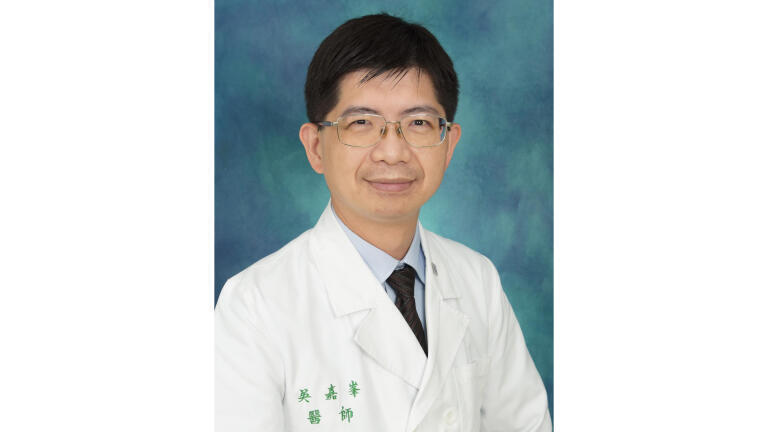
“Our study highlights the benefits of early antiviral therapy in children with chronic HBV,” said Professor Jia-Feng Wu, first author and President of the Taiwan Society of Pediatric Gastroenterology, Hepatology, and Nutrition (TSPGHAN). “By identifying these novel biomarkers, we can move closer to tailoring treatment strategies for each patient, improving outcomes and precision care.”
More information online
ILM 51.6 Sept 2026



 Product directory




















,-photo-Karin-Allander.jpg)




.jpg)
