Research news
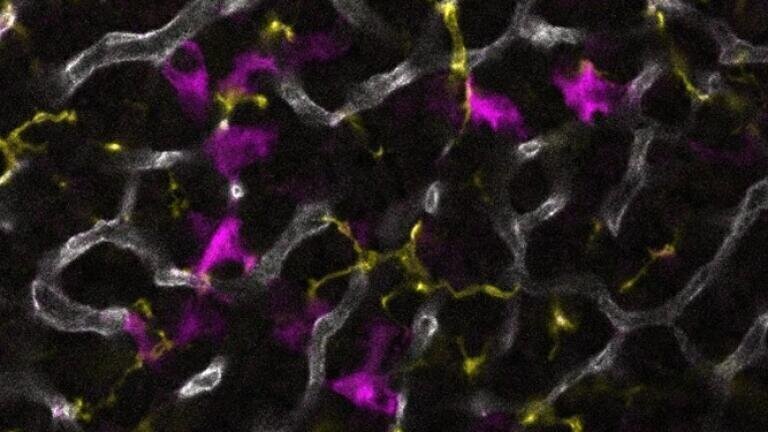
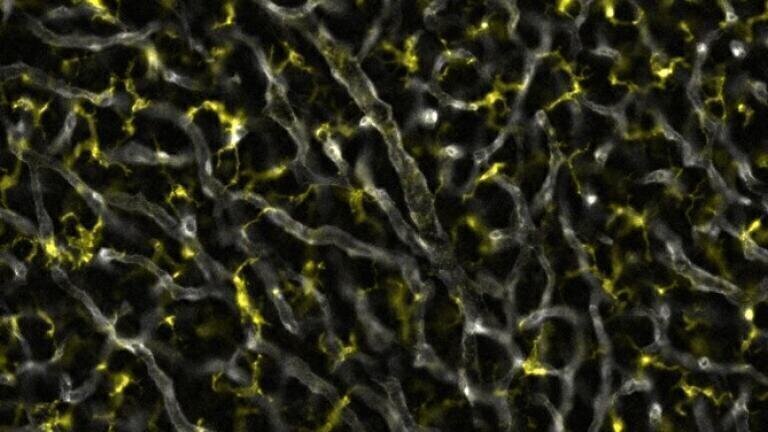
A recent study [1] by Finnish researchers has uncovered a previously unknown function of pituitary macrophages, immune cells within the pituitary gland that play a significant role in regulating hormonal balance. The findings suggest that these cells could offer new therapeutic avenues for treating endocrine disorders, such as infertility, that stem from hormonal imbalances.
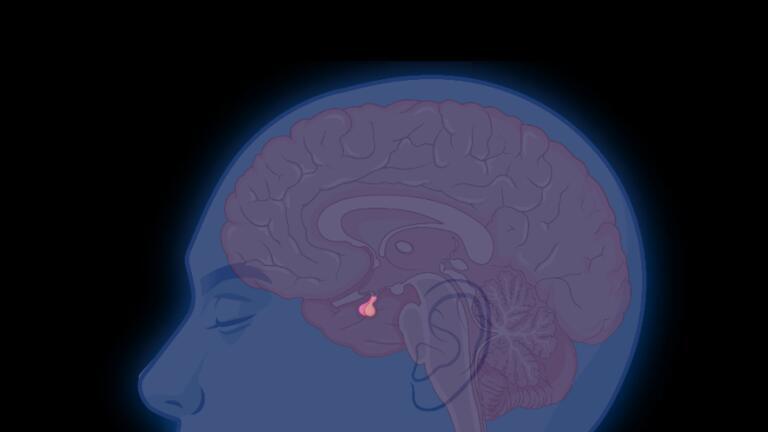
The pituitary gland, a small but crucial endocrine organ at the brain's base, is responsible for secreting hormones essential for numerous bodily functions, including growth, reproduction, water balance, and stress regulation. For years, it was believed that the pituitary gland responds to signals from the body, adjusting hormone production accordingly. However, this new research reveals that pituitary macrophages - immune cells traditionally known for defending against pathogens - directly influence hormone production within the gland itself.
Heli Jokela, a researcher at the University of Turku and Turku Bioscience Centre, explains that the immune cells' local activity within the pituitary gland affects the function of hormone-producing cells. In experiments where these macrophages were removed, hormone secretion significantly decreased, highlighting their essential role in the gland's function.
The study also sheds light on the origin of these macrophages. While most macrophages are derived from monocytes produced in the bone marrow in response to inflammation, the pituitary macrophages are unique in that they originate during foetal development. They do not rely on the bone marrow for renewal and instead regenerate within the gland itself, maintaining their numbers without being replaced by external immune cells, even during inflammatory events.
Henna Lehtonen, a doctoral researcher involved in the study, points out that this discovery is groundbreaking. It opens up new possibilities for targeted interventions that could regulate hormone secretion by influencing the activity of pituitary macrophages. For instance, boosting macrophage function could potentially address conditions involving hormone deficiencies, while reducing their activity could help manage disorders linked to hormone overproduction, such as polycystic ovary syndrome (PCOS), a common cause of female infertility.
Despite the promising implications for therapeutic applications, lead researcher Pia Rantakari emphasises that significant further research is required before macrophages can be harnessed as a treatment for endocrine diseases. Nonetheless, this study represents a significant step forward in understanding the interplay between the immune system and endocrine health, offering fresh perspectives on how immune cells contribute to the regulation of vital bodily functions.
More information online
1. Published in Cell Reports
ILM 51.6 Sept 2026



 Product directory


















,-photo-Karin-Allander.jpg)







.jpg)
