Liquid handling
It’s another cold winter’s day; steam rising from the kettle hits the cold window and becomes liquid, running down in beads to the windowsill. Condensation occurs when warm, moisture-laden air meets a cooler surface, causing water vapour to condense into liquid.
In a kitchen, this is a mild inconvenience. In a containment-level laboratory, however, uncontrolled moisture can present additional challenges. Water accumulation can contribute to contamination risks, compromise cleanability, and create environments where microorganisms may persist — meaning effective condensate management is an important part of good containment practice.
Being aware of likely condensation points within the facility allows systems to be put in place to manage water before it becomes a problem. These sources range from equipment that actively cools, such as air conditioning systems and refrigerators, to pipework and surfaces that remain colder than the surrounding environment.
Below are some common areas where condensate may develop in laboratory and containment settings:
Identifying these potential condensation points allows them to be properly controlled. Where appropriate, sealed and cleanable drainage systems can channel developing wastewater to a central collection point for treatment or disposal in accordance with facility protocols.
In many laboratories, condensate is handled through routine drainage and maintenance. However, in higher-containment environments or regulated applications, facilities may choose to incorporate additional safeguards — particularly where liquid effluent could become contaminated or where validated treatment is required.
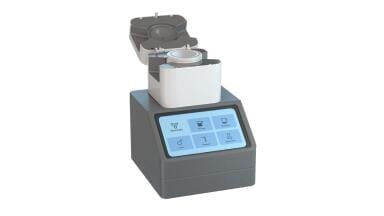
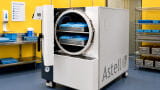
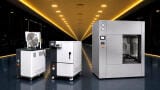
One option is the installation of a compact liquid waste autoclave, such as the AstellBio Micro EDS. This system can be integrated into wastewater plumbing to collect and treat condensate or other liquid effluent streams automatically. Using proven steam sterilisation processes, the unit supports compliant effluent handling before discharge, in line with local regulations and site requirements.
With the right infrastructure in place, condensation can remain a manageable facility consideration rather than an operational concern.
ILM 51.6 Sept 2026



 Product directory