Microscopy & microtechniques
Published over 12 years ago. See the latest and most current information on Microscopy & microtechniques.
A new technique has been developed that could see brain cancer diagnosed in as little as 30 minutes. Current techniques mean that brain cancer diagnosis can take two to three days, but researchers from the University of Central Lancashire have developed a test that could provide a speedy diagnosis, which could lead to faster treatment.
Brain cancer is the formation of one of more cancerous tumours in the brain. Some forms of the disease spread incredibly quickly and can be difficult to treat. People of any age can develop the disease, however, it becomes more of a risk as people grow older.
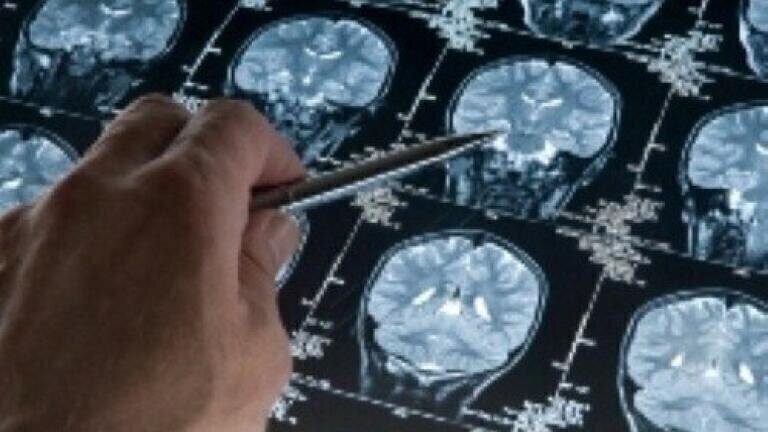
Techniques that are currently used require a number of different scans, including magnetic resonance imaging (MRI), computerized tomography (CT) and electroencephalogram (EEG). If, after these scans, it is suspected that a tumour is present, a biopsy is required. This means that the patient will have to undergo surgery to remove a piece of tissue from the suspected tumour for testing. The surgery means a patient will have to stay in hospital for a number of days.
However, researchers have said that the new technique could lead to a transformation in terms of how brain cancer is diagnosed. Not only will it get rid of the need for invasive and numerous tests, but patients will also be able to avoid a lengthy hospital stay simply for the purposes of diagnosis.
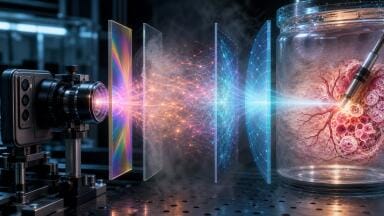
The new technique utilises protein biomarkers and infrared light to identify glioma serum in the brain, which is a marker of the primary brain tumour. When infrared light is transmitted directly into this serum, it is able to ascertain its molecular vibration. This allows the researchers to tell whether the tumour is likely to be cancerous or benign. The test can take as little as half an hour.
Doctor Matthew Baker, study author from the School of Forensic and Investigative Sciences at the University of Lancashire, said to Medical News Today: "The result we have achieved is a milestone and has the ability to revolutionize the clinical environment by providing objective measures for diagnoses, enabling increased efficiency and economic impact upon the health services.
"We hope this will also help to relieve some of the emotional stress patients experience waiting for test results."
ILM 51.6 Sept 2026





 Product directory