Microscopy & microtechniques
Published over 17 years ago. See the latest and most current information on Microscopy & microtechniques.
Trace (metal) elements are increasingly used as dietary supplements in the prevention of widespread diseases, as clinically effective adjuvant therapeutics or as a popular research area in basic and applied sciences.
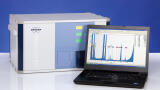
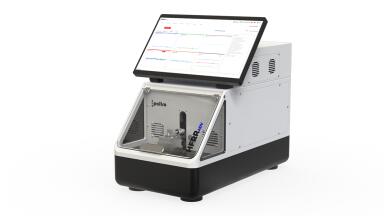
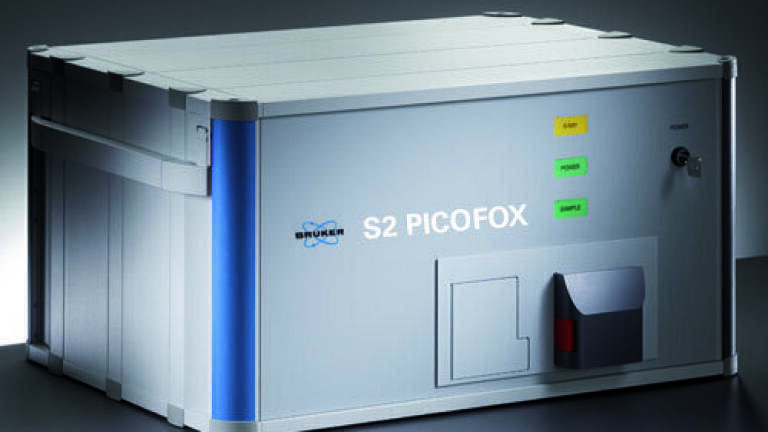
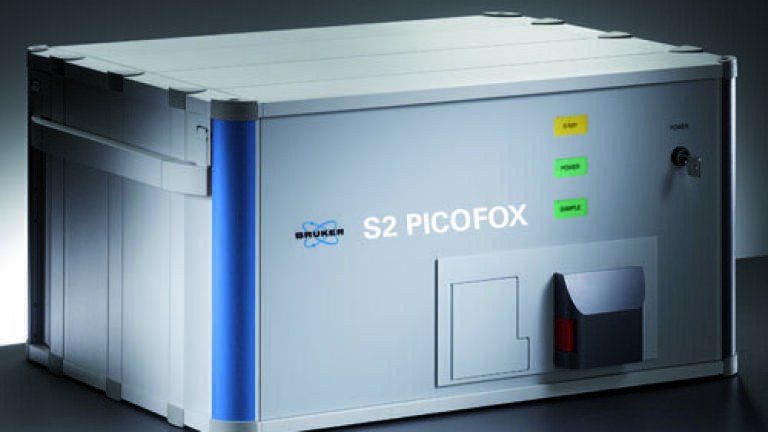
The popular use of biologically highly active substances is not always accompanied by a diligent monitoring of their concentrations and accumulated amounts within the biological samples. Established analytical methods like atomic absorption spectroscopy (AAS) or inductively coupled plasma optical emission spectroscopy (ICP-OES) require time-consuming sample preparation steps including digestion with hazardous acids. An even more critical issue is the limited sample amount of biological samples, especially in case of animal experiments or in pediatric medicine. Here, total reflection X-ray fluorescence (TXRF) analysis offers a fast, sensitive and matrix-independent method for the simultaneous quantification of trace elements from minute amounts of sample.
Recently, Bruker AXS Microanalysis presented a webinar showing application examples from food industry and clinical and environmental research institutes. The webinar explained TXRF’s many benefits for the detection of toxic impurities and presented new findings about the function of essential elements. In addition the fast TXRF sample preparation was compared with procedures required for AAS and ICP analysis.
Download a PDF file of the presentation and a link for listening to the live recording.
ILM 51.6 Sept 2026





 Product directory