News
Published over 12 years ago. See the latest and most current information on News.
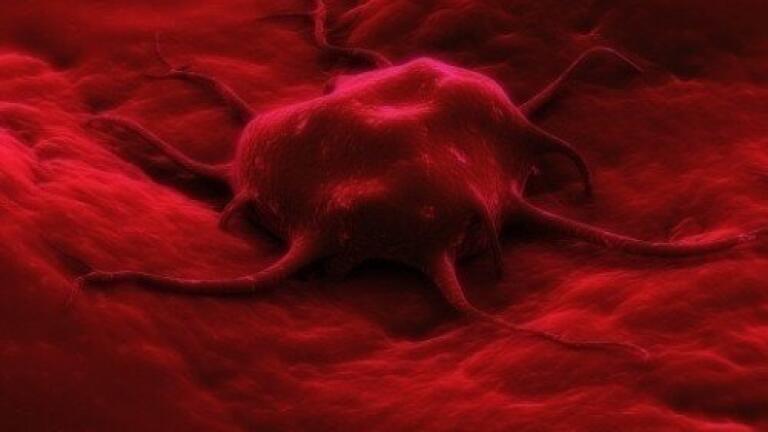
A possible new treatment for cancer has been voted the top medical breakthrough of 2013 by the journal 'Science'. The revolutionary treatment uses the body's own immune system to help eliminate cancerous tumours. This could lead to more effective treatment with fewer side effects for patients.
Those behind this year's vote explained that the most recent research into using the body's immune system to fight tumours has led to a shift in cancer treatment as a whole. The research has explored the ways in which antibodies and T-cells can be triggered to seek out and destroy any cancerous cells when they develop.
All-in-all, this type of treatment is incredibly different from conventional treatment options and has displayed promising results so far within clinical trials. A number of trials have used drug therapy to incite the seek-and-destroy response from the body's immune system, which has so far proven to be a promising treatment type, according to the journal.
By boosting the immune system, rather than targeting the tumour, it could mean that treatment is more effective as the body is working to heal itself and can fight cancerous cells in other areas to the main tumour site. This could help reduce the spread of cancer and the formation of new tumours.
A number of different forms of cancer immunotherapy are currently being explored by scientists around the world. One system that is currently being devised creates monoclonal antibodies, such as those found in the drug ipilimumab. These bind to the body's T-cells and make them increase rapidly in order to effectively destroy cancer cells.
This method, developed by Bristol Myers Squibb, US, has reportedly resulted in 22 per cent of 1,880 patients diagnosed with advanced melanoma cancer being alive three years after treatment. This is a huge improvement on previous treatments used to fight this type of disease.
Tim Appenzeller, chief news editor of Science, said: “So far this strategy of harnessing the immune system to attack tumours works only for some cancers and a few patients, so it’s important not to overstate the immediate benefits. But many cancer specialists are convinced that they are seeing the birth of an important new paradigm for cancer treatment."
ILM 51.6 Sept 2026

 Product directory














.jpg)
,-photo-Karin-Allander.jpg)