News
Published over 10 years ago. See the latest and most current information on News.
In a feat that reflects the sheer brilliance of humankind, a team of scientists has reversed the effects of paralysis and enabled a man to walk again using the power of his mind. With zero help from an exoskeleton, robotic limbs or brain implant, the achievement marks a huge step forward for the physical rehabilitation sphere. The results have been published in the Journal of Neuroengineering and Rehabilitation and have already got the globe chatting.
The patient was a 26 year old man who suffered a spinal cord injury that led to no motor movement in his lower limbs. He couldn’t walk and could barely feel sensation in the lower half of his body, until now…
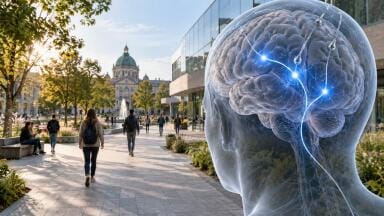
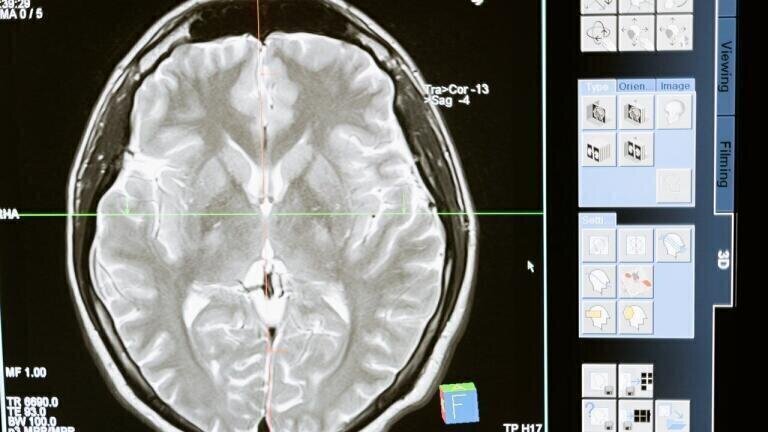
Using a brain-computer interface system, researchers used an electroencephalogram (EEG) cap to read patterns of brain activity. The team’s goal was to help him use his brain to regain voluntary control of his legs, without the need for invasive brain surgery. The cap actively read his brain pattern activities as he thought about walking and in an incredible cognitive triumph, the man was able to move once again.
After his initial steps he began a training programme designed to help him use his brain to control an avatar’s walking patterns within a virtual reality environment. After he’d mastered the art of avatar control he then underwent physiotherapy to build up leg muscle strength using a combination of electrical stimulation and weight shifting manoeuvres. When his muscles were reconditioned the team had him practice walking movements while suspended off the ground. This was done while wearing the EEG cap that read his walking focussed brain signals. These bypassed his damaged spinal cord and transmitted them to knee electrodes that triggered muscular movement. Nineteen sessions later and he hit the ground walking, covering a distance of several metres!
For the injury rehabilitation sphere, the feat is an incredible accomplishment.
“It can be speculated that a very severe traumatic brain injury in tandem with a spinal cord injury could prevent this brain-computer interface system from working,” explains An Do, one of the study’s lead researchers.
Scientists are achieving incredible things when it comes to spinal cord rehabilitation. ‘Finding a Cure for Spinal Cord Injury’ explores the work being conducted at the multidisciplinary Miami Project Research Faculty at the University of Miami Miller School of Medicine. The team uses neuroscience research to address traumatic injury to the central nervous system and ultimately pioneer new or improved treatments for spinal cord injury and other neurological disorders.
Lab Asia 33.4 - August 2026

 Product directory