News
Published over 12 years ago. See the latest and most current information on News.
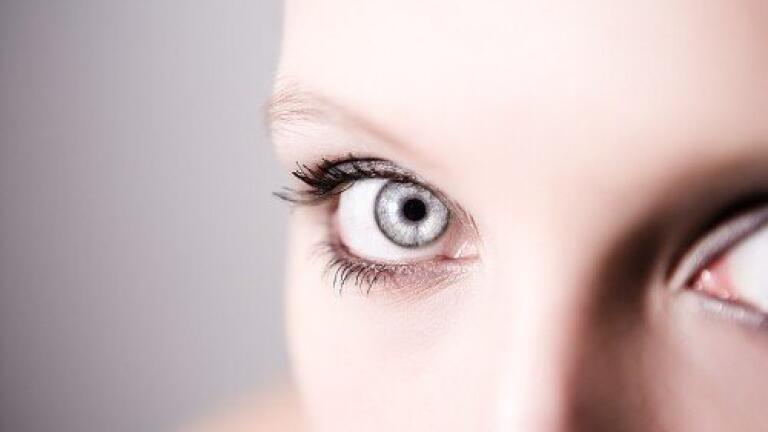
New animal studies have shown that drug therapy has successfully resulted in restoring the ability to sense light following blindness. A new chemical has been found to allow eyes that have been blinded due to retinal damage to once again respond to light. It is thought that the discovery could help in the search for a way to fully restore sight to those that have lost it.
Disease can destroy the cones and rods that are found in the retina, which results in losing the ability for the eyes to sense light. However, researchers from the University of California, Berkeley, US have found a chemical that could provide other cells within the eye the ability to sense light.
While more research is needed, early stage testing on mice of the chemical Denaq has shown positive results. The chemical was designed to change shape when it is exposed to light; this changes the chemistry of the cell. Ultimately, this results in electrical signals travelling to the brain.
When Denaq was injected into the eyes of blind mice, the researchers found that some sight was restored. While it wasn't clear how much they were able to see, the mice changed their behaviour, indicating that they had some degree of visibility. Unfortunately, the results of the chemical were not permanent and the ability to see wore off.
However, it was found that a week after the initial treatment, the mice's eyes were still able to detect light. Further research is needed in order to see how effective the treatment is and assess its safety, according to the researchers.
Dr Richard Kramer, one of the researchers on the study, said: "It will take several more years, but if safety can be established, these compounds might ultimately be useful for restoring light sensitivity to blind humans.
"How close they can come to re-establishing normal vision remains to be seen."
The findings of this study add to a growing body of work that is looking into restoring sight within eyes that have suffered retinal damage.
ILM 51.6 Sept 2026

 Product directory





.jpg)
,-photo-Karin-Allander.jpg)