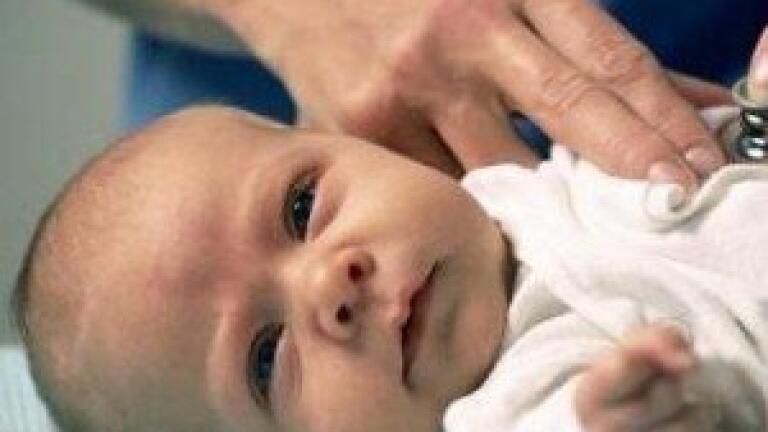
Scientists and physicians have recommended a new national screening process for newborns to identify possible congenital heart disease (CHD) as early as possible.
In a study by Duke University Medical Center in the US and published by journal Pediatrics, the team claimed that a simple non-invasive test called pulse oximetry could improve outcomes for newborns with CHD though early detection.
Pulse oximetry measures oxygen levels in the blood, with low levels indicating possible CHD and triggering the need for further investigation.
CHD is responsible for more deaths in the first year of life than any other birth defect, with some requiring medications and others calling for surgical intervention.
"Screening for low-blood oxygen saturation can be an effective way to identify otherwise well-appearing babies who have undetected critical CHD," said co-author of the report, Dr Alex Kemper, associate professor of Pediatrics at Duke University Medical Center.
"One of the biggest challenges in implementing screening will be the follow-up after a positive screen," he admitted.





 Product directory