A team of scientists have identified the ideal wipes and extraction liquids that should be used when collecting spores from indoor surfaces in the event of a bioterrorist attack or biohazard contamination.
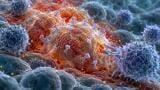
Experts at the National Institute of Standards and Technology (NIST) used a series of different wipes and solutions to find out which were best at retrieving vaccine strain Bacillus anthracis (Sterne), which was chosen as a substitute for the Bacillus anthracis (Ames) agent that causes anthrax.
They found that polyester-rayon wipes were the most effective in collecting microbial spores, while saline-surfactant extraction followed by vortexing was particularly efficient in removing the spores from the wipes.
The findings - which have been published in the journal Applied and Environmental Microbiology - could help to develop a standard biological sampling protocol for bioterrorist or biohazard events.
"A comprehensive look at the impact of protocol variables affecting the performance of spore recovery - especially when dealing with serious threats such as anthrax - is an important national homeland security priority," commented lead researcher Sandra Da Silva.
NIST also conducts studies in the areas of energy, electronics, nanotechnology, transport, IT and manufacturing, among others.




 Product directory