Laboratory scientists have made a breakthrough stem cell discovery which could have dramatic clinical repercussions.
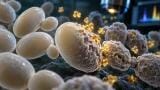
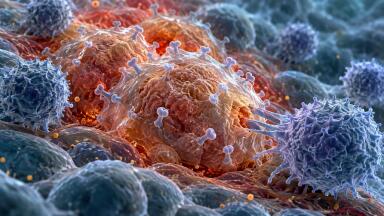
A team from the Stowers Institute for Medical Research have discovered a way to successfully expand bone marrow-derived stem cells in culture.
Published in Genes & Development, Stowers investigator Dr Linheng Li, who led the study, claimed that all previous efforts to grow and expand scarce hematopoietic stem cells in culture for therapeutic applications have been fairly unsuccessful.
"Being able to tap into stem cells' inherent potential for self-renewal could turn limited sources of hematopoietic stem cells such as umbilical cord blood into more widely available resources for hematopoietic stem cells," he explained.
However, the scientists warned that the findings are yet to be reproduced in humans, the next major milestone.
It is hoped that the findings would have important clinical repercussions as matching stem cells to bone-marrow cancer patients would need to be less exact than for a full bone-marrow transplant.





 Product directory