News
Published over 11 years ago. See the latest and most current information on News.
Microorganisms can be found in almost every natural element on the planet. The lives of humans, plants and animals are all intrinsically linked to the microbes that continually recycle key nutrients such as carbon and nitrogen, degrade organic matter and shape our day to day existence.
Want to know more about microbiology and the integral role it plays in our day to day lives? Read on for an overview of what it is, and why it matters.
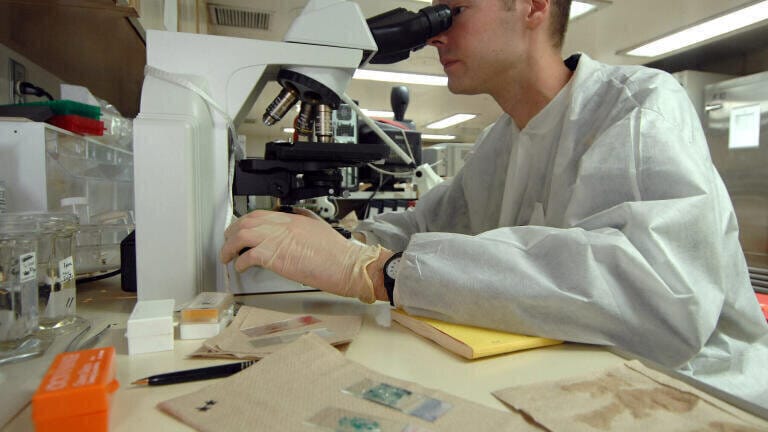
Put simply, microbiology is the study of microorganisms. These include bacteria, protozoal parasites, viruses and fungi. Such organisms are so minute that they can only be viewed through a microscope. Yet while they may be invisible to the naked eye, microbes have a huge influence on the way we experience life. Scientists estimate that there are 5 million trillion, trillion microbial cells currently in existence on Earth. And no, that’s not a typo. 5 million trillion, trillion! In total, the amount of carbon held in these cells equates to that of every living plant on the planet.
Sure, the statistics behind microbes are mind-blowing but do they really matter? The answer is yes! Microorganisms affect the world in a myriad of different ways, some of which are outlined below.
Microbes are essentially protectors of the planet, ensuring that minerals such as carbon and nitrogen are incessantly recycled. They play a crucial role in keeping the atmosphere oxygenated and also actively degrade dead organic matter, thus transforming organic carbon back into carbon dioxide.
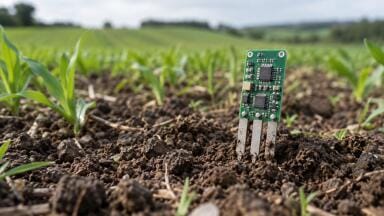
When it comes to creating soils that can support crops and livestock, microbes are indispensable Studying microbiology helps farmers to optimise nitrate levels and maximise output.
Infectious diseases have the capacity to wipe out entire populations, and microbiology is the key to keeping outbreaks under control. The study of microscopic organisms allows scientist to develop antibiotics and vaccines, with revelations such as Alexander Flemming’s discovery of penicillin saving millions upon millions of lives.
From antibiotics and solvents to preservatives and pharmaceuticals, microbes are used to create a myriad of useful products that we take for granted. Uncovering these chemical reactions and retailing them as commercial goods shapes the face of life as we know it.
Genetic engineering is an incredibly exciting revelation, and microbiology lies at the heart of the sphere. The scientific process of freely moving genes from one organism to another, isolating DNA and manipulating results is all hosted by bacteria.
Microbiology has come a long way since it was first pioneered by Dutch draper and hobbyist glass grinder Antonie Van Leeuwenhoek in the 17th century. ‘A ‘Dyeing’ Art in Microbiology’ explores how the “Father of Microbiology" led us to discover the staining methods currently used in cytology, histology, haematology, microbiology and parasitology,
Image via Wikipedia
ILM 51.6 Sept 2026



 Product directory