
Sample preparation
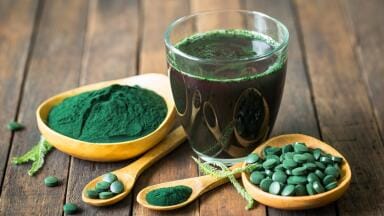
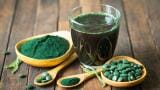
Microalgae based food supplements such as Spirulina, Chlorella, Klamath, and Fucus continue to rise in global popularity due to their rich nutritional profile, offering high levels of proteins, vitamins, and antioxidants. Spirulina platensis has even been recognised by the United Nations World Food Conference as a ‘food of the future’ for its nutritional value and low resource requirements for cultivation.
Despite their health benefits, growing concern surrounds the presence of contaminants including heavy metals, inorganic arsenic, and cyanotoxins, that can pose health risks to consumers. Microalgae naturally absorb and accumulate heavy metals including mercury from their surrounding aquatic environment and these can have toxic effects on the nervous system. Their remarkable ability to accumulate these substances is currently being examined in different studies for industrial wastewaters cleaning applications to understand how it can be exploited.
Given the increase and spread of these microalgae - derived products as food supplements, understanding the risks associated with mercury contamination has become increasingly essential. The challenges in mercury determination are well known, but the major concern is usually sample preparation, resulting in time-consuming and expensive methodologies.
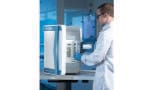
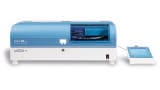
A new application report from Milestone provided by Analytix describes the measurement of mercury across a range of commercially available microalgae supplements. The study showed levels ranging from 0.5ug/kg to 18ug/kg with ocean-derived algae exhibiting higher levels than the lake samples. Using the Milestone Direct Mercury Analyser (DMA), complete measurement was achieved in under seven minutes per sample without pre-treatment or use of chemical additives
The report highlights that beyond the nutritional value, mercury contamination was found in all analysed supplements and that attention must be paid to overconsumption and continuous daily intake. For example, the suggested daily intake for Spirulina supplement is four tablets each of 0.5g so the amount of ingested mercury is nearly 18ng/day although it must be emphasised that all the samples measured were under the legal limit.
The report emphasises the importance of responsible consumption noting that mercury was detected in every product tested so attention must be paid to overconsumption and continuous daily intake. For example, the suggested daily intake for Spirulina supplement is four tablets each of 0.5g so the amount of ingested mercury is nearly 18ng/day highlighting the need for ongoing consumer awareness.
Contact Analytix for a copy of the application report.
More information online
ILM 51.6 Sept 2026



 Product directory





















.jpg)
