Sample preparation
Reliable elemental analysis depends on more than the instrument. A Milestone e-book, available from Analytix, looks at the full sample preparation workflow — from acid quality and reagent dosing to digestion, filtration and vessel cleaning — and shows how laboratories can improve accuracy, safety and efficiency at every stage.
The guide highlights practical ways to reduce contamination, save time, lower costs and improve consistency, with links to videos, technology reports, webinars and case studies.
The e-book examines common contamination routes, including analyst contribution, and links to the additional companion ‘Think Blank’ guide for laboratories focused on controlling the blank contribution more effectively.
At trace levels, ultrapure reagents are essential — and often expensive. Now laboratories can produce high-purity HF, HNO3 and HCl from low-cost low-grade reagents. Using Milestone Clean Chemistry systems in-house reduces reliance on costly ultrapure reagents.
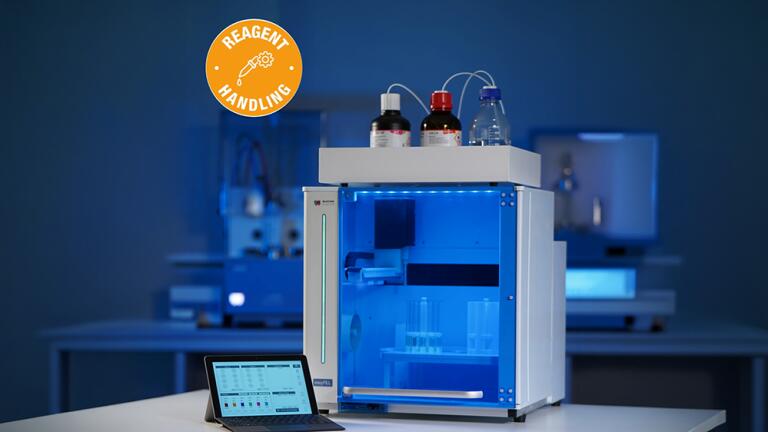
Acid dosing is another area where automation can deliver time and safety benefits particularly when multiple acids are involved. The Milestone easyFILL acid dosing station automates dosing of up to six acids, including HF, reducing hands-on time to just a few seconds and enabling customised methods for routine workflows.
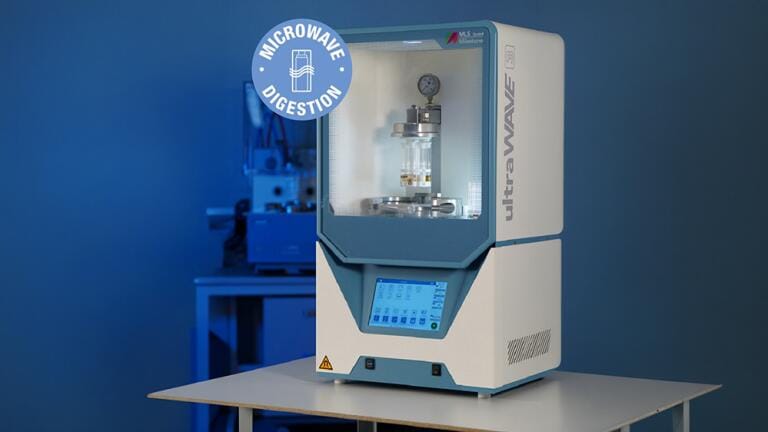
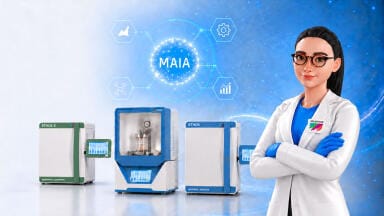
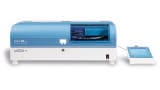
The Milestone range of closed-vessel digestion systems support a wide range of sample types, weights and batch sizes. The ETHOS labstations offer multiple size rotors to cover all application requirements and can be paired with capping stations to reduce manual variability and help ensure reliable vessel closure. The ultraWAVE range simplifies mixed-sample runs using disposable vials and a Single Reaction Chamber approach that allows any combination of sample types and weights with different acid chemistries to be digested at the same time.
After digestion, some samples require a straightforward filtration step. Milestone’s solvent extraction system supports this stage by enabling up to 24 samples to be filtered simultaneously, helping keep the workflow moving without unnecessary bottlenecks.
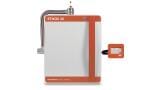
Cleaning is not the final afterthought — it is part of the analytical result. Traditional vessel-cleaning methods, from water rinsing and acid baths to microwave cleaning cycles, can involve lengthy procedures and acid exposure. The Milestone clean chemistry traceCLEAN acid steam cleaning system automates this step and can be used for digestion vessels as well as ICP accessories, helping laboratories reduce contamination risk and work towards improved detection limits.
Request a free copy of the e-books or find out more at here.
ILM 51.6 Sept 2026



 Product directory














.jpg)
