Autoclaves
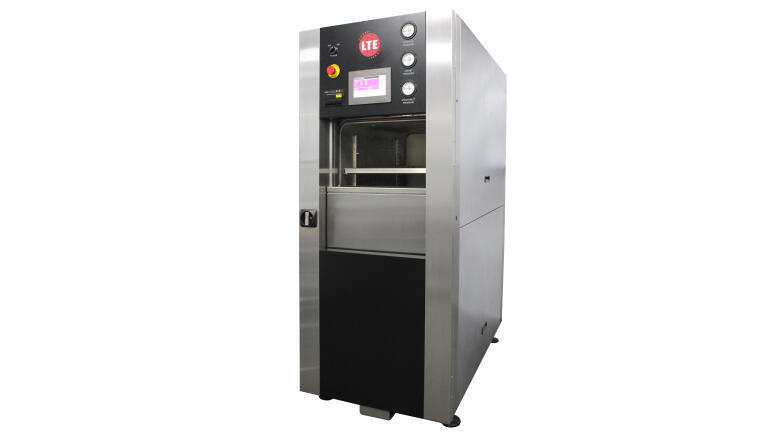
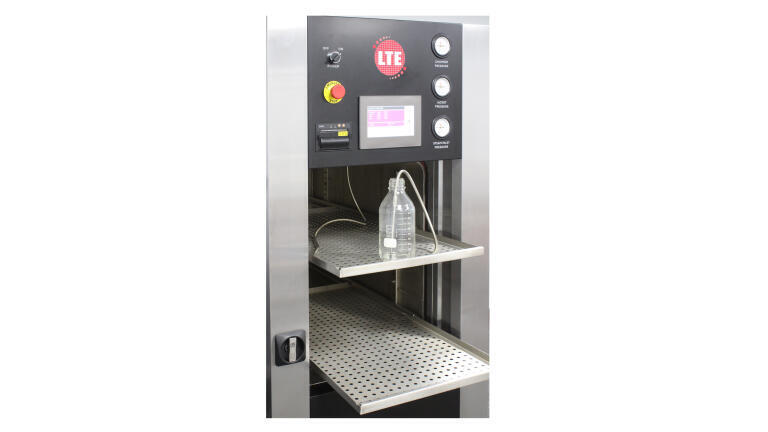
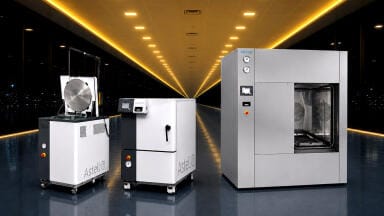
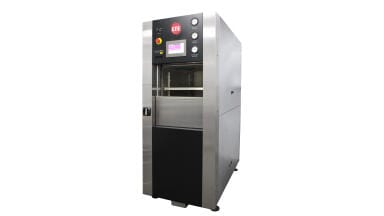
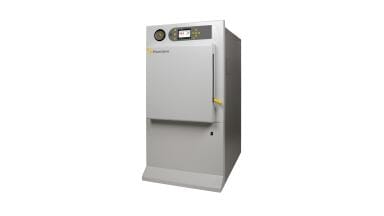
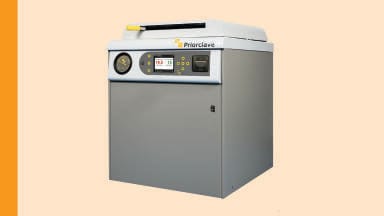
Laboratories working with culture media and aqueous solutions can now benefit from enhanced performance and safety with the introduction of the Labclave-L autoclave, engineered to meet the precise demands of media sterilisation.
Developed to meet the needs of laboratories handling sensitive liquid loads in bottles, flasks, or tubes, the Labclave-L combines advanced functionality with user-friendly design. At the heart of its innovation is integrated air ballast technology, which enables stable, pressure-controlled cooling to safeguard media and reduce cycle times.
Sterilising liquids poses well-known challenges, particularly when working with sealed or partially sealed containers. Rapid pressure drops during cooling can lead to flash boiling, media loss, or even glassware breakage.
The Labclave-L tackles these issues by introducing controlled compressed air into the chamber during the critical cooling phase. This maintains internal pressure, allowing a gentler return to ambient conditions and minimising the risks commonly associated with liquid load sterilisation.
Traditional autoclaves without air ballast often require longer cooling times or additional manual checks to avoid damage to the load. The Labclave-L’s pressure-controlled cooling reduces reliance on lengthy cycles, resulting in quicker turnaround, lower energy consumption, and a safer working environment for lab personnel.
Ideal for laboratories sterilising nutrient broths, agar media, buffer solutions, and other aqueous materials, the Labclave-L is designed to streamline the sterilisation process without compromising quality. With robust construction and intuitive controls, it delivers the repeatability and reliability needed in fast-paced laboratory settings.
The Labclave-L represents a significant step forward in autoclave technology for media sterilisation. By combining safety-focused design with performance-enhancing features like air ballast technology, it provides a dependable solution for laboratories looking to optimise liquid load processing while safeguarding both product and personnel.
More information online
ILM 51.6 Sept 2026





 Product directory















.jpg)