Autoclaves
Published over 13 years ago. See the latest and most current information on Autoclaves.
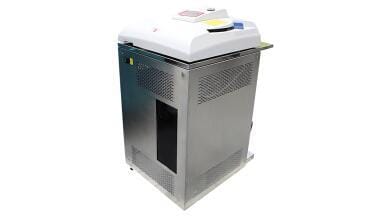
Tuttnauer laboratory autoclaves provide high quality repeatable performance and accountability for a wide range of applications used in modern laboratories, which include: liquid sterilisation (using flexible PT100 probes) with various cooling options; pipette and glass sterilisation; instrument sterilisation (wrapped or unwrapped); biohazard and waste sterilisation; agar preparation.
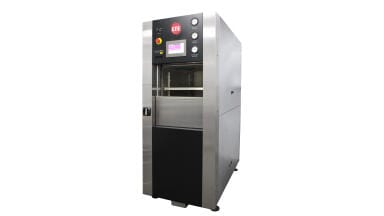
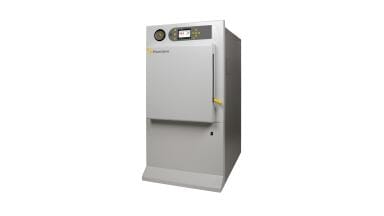
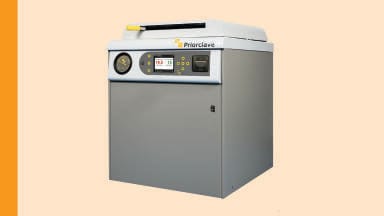
Available as vertical (top loading) and benchtop (space saving) autoclaves with chamber sizes from 23 to 160 litres, with fast cooling, efficient drying, biohazard & waste sterilisation, and Fo control. Tuttnauer's autoclaves successfully meet the challenges in today’s laboratories with a flexible range of features and sophisticated control system.
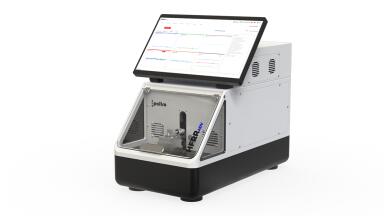
The controller is highly flexible supporting 10 fixed and 20 customisable cycle programs with optional pre and post vacuum features, a cleaning cycle and other advanced cycle programs. The attractive colour display is designed to be easy to use and understand resulting in exceptional user experience.
R.PC.R Software (optional) enables automatic recording of cycle data to your PC, convenient access to graphs, tables & parameters, easily generate PDF reports and soft-copy of cycle print-outs. R.PC.R enables real-time remote monitoring where you can see the real-time autoclave display on your PC, for up to 8 autoclaves.
ILM 51.6 Sept 2026




 Product directory