Research news
Researchers have identified an unusual arabinose-based modification of bacteriophage DNA that helps viruses evade bacterial defences, a finding that could strengthen the development of targeted phage therapies against critical drug-resistant pathogens
An international team of researchers has reported the discovery of an unexpected DNA defence mechanism in bacteriophages, viruses that infect and kill bacteria while leaving human cells and beneficial microbes unharmed. The study has shown that some phages modify their DNA by attaching up to three arabinose sugar molecules, a change that protects viral genomes from bacterial attack and enables the phages to persist within hostile microbial environments.
The finding has expanded current understanding of phage biology and has highlighted fresh opportunities to develop targeted treatments against antibiotic-resistant infections.
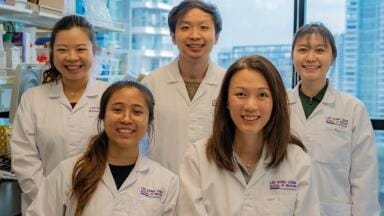
The work was led by scientists from the Antimicrobial Resistance Interdisciplinary Research Group at the Singapore–MIT Alliance for Research and Technology, working with Professor Peter C. Dedon at the Massachusetts Institute of Technology, Cambridge, USA and collaborators from the University of Otago in New Zealand, Nanyang Technological University in Singapore, Delft University of Technology in the Netherlands and the University of Canterbury also in New Zealand.
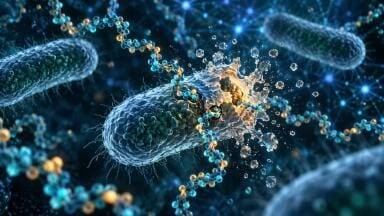
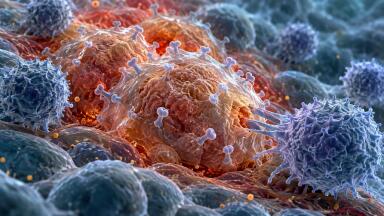
Bacteriophages have been attracting increased attention as potential tools to address antimicrobial resistance (AMR) because they can selectively infect bacterial strains that no longer respond to antibiotics. For billions of years, bacteria and phages have co-evolved in an intense evolutionary contest. Although phages outnumber bacteria by roughly ten to one, bacteria have evolved a wide range of defence mechanisms, including restriction–modification systems and CRISPR-Cas pathways, which detect and destroy invading viral DNA. Phages, in turn, have responded by developing counter-measures, including chemical modification of their own genomes to evade bacterial surveillance.
In a recent paper the researchers described a previously unrecognised DNA modification in which arabinose sugars are attached to cytosine bases through a distinctive chemical linkage. The modified cytosine can then acquire one or two additional arabinose sugars, producing double- or triple-arabinosylated DNA. Experiments demonstrated that phages carrying higher levels of these sugar modifications were better able to withstand bacterial defence systems.
Arabinose is a simple sugar, specifically a pentose monosaccharide, meaning that it contains five carbon atoms. It occurs widely in nature, particularly as a structural component of plant cell walls, where it forms part of complex carbohydrates such as hemicellulose and pectin
Of particular significance, many of the phages that display these modifications were found to target clinically important pathogens, including Acinetobacter baumannii. This bacterium is listed as a critical priority pathogen by the World Health Organization and is associated with severe infections such as pneumonia, meningitis, sepsis and bloodstream, urinary tract and wound infections, especially in people with weakened immune systems. Its frequent resistance to multiple antibiotics has left clinicians with limited treatment options.
“Our research has revealed that the interactions between phage and bacterium are ... complex. A better understanding of these interactions is key to using phages to fight bacterial infections,” said Dr. Liang Cui, principal research scientist at the Singapore–MIT Alliance for Research and Technology and a co-corresponding author of the study.
“Leveraging a highly sensitive analytical platform capable of detecting and identifying novel phage DNA modifications developed at SMART, we were able to uncover a number of previously unrecognised phage DNA modification systems,” he said.
Understanding the cellular processes by which phages modify their DNA to defend themselves against bacteria will enable the development of more effective phage therapeutics to target antibiotic-resistant pathogens.
“Through this work, we have also established methods to genetically engineer these phages with DNA modifications, which will support their future development as therapeutics.
“It is striking how much biological innovation the phage–bacterial arms race has generated, and our research continues to uncover this diversity in ways that can be harnessed for biotechnological applications,” said Professor Peter Fineran, molecular microbiologist and head of the Phage–host interactions laboratory at the University of Otago and co-corresponding author of the paper.
The study has strengthened the case for phage therapy by demonstrating that naturally occurring DNA modifications in phages are far more prevalent than previously predicted. By revising assumptions about how frequently and how extensively phage genomes are chemically modified, the work has reshaped understanding of phage biology and has opened further avenues to discover additional DNA modification systems with therapeutic potential.
The research drew on an interdisciplinary approach that combined analytical chemistry, genomics, informatics and molecular biology. The team has indicated that future work will focus on exploring the newly identified diversity of phage DNA modification systems to clarify the complex dynamics of phage–bacterium interactions and to support efforts to counter the global rise of AMR.
For further reading please visit: 10.1016/j.chom.2025.06.005
ILM 51.6 Sept 2026




 Product directory













,-photo-Karin-Allander.jpg)