News
Published over 14 years ago. See the latest and most current information on News.
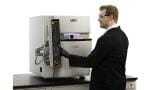
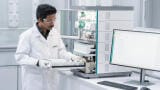
LingVitae (Stockholm,Sweden), Plarion Ltd (Melbourn, UK) and KTH Royal Institute of Technology (Stockholm) are collaborating on a development program aiming at utilising the new Discipher system for bringing DNA-based testing and diagnostics to point-of-care settings.
“Our aim with the Discipher is to democratise molecular and cellular analysis, putting low-cost easy to use tools in the hands of the wider community, outside of core laboratories”, said Dr Jackie Cole, Head of Marketing for Plarion.
As part of this engagement with KTH, LingVitae/Plarion will transfer prototype versions of the Discipher instrument to the researchers at KTH, as well as supporting the development work by customising the optical disc-based disposable assay devices.
“We look forward to the collaboration with Professor Lundeberg’s group. The track-record of KTH on development of DNA based assays, utilising a repertoire of molecular techniques, provides an exciting opportunity for us to expand our activities in the DNA assay space”, says Dr Preben Lexow, Chief Executive Officer of LingVitae.
Discipher uses self-contained, disposable assay devices in the form of DVD discs with microfluidic channels. Jointly developed by UK-based Plarion Ltd and LingVitae, the work has been supported by funding from the Seventh Research Framework Programme of the European Union, under the Digital Sequencing project (contract 222913).
“We see that the Discipher system addresses an unmet need in bringing DNA based diagnostics and testing to users who have previously had not access to this technology. We look forward to the opportunity to strengthen our collaboration with both LingVitae and Plarion”, says Professor Lundeberg, based at the Science for Life Laboratory in Stockholm.
ILM 51.6 Sept 2026




 Product directory