
News
Published over 12 years ago. See the latest and most current information on News.
Researchers from Queen Mary University of London (QMUL) have revealed that the molecule αvβ6 (alpha v beta 6) plays a fundamental role in helping breast cancer cells to grow and spread. The study* therefore pinpoints this molecule as a viable new target for treating one of the most aggressive types of breast cancer
Around one in five breast cancers – 10,000 cases per year - are HER2-positive, a particularly aggressive type of breast cancer where increased levels of the HER2 protein gives cancer cells the ability to grow and spread.
Currently the first line of treatment for patients with HER2-positive breast cancer is the targeted therapy Herceptin (trastuzumab), which blocks the growth signals sent from HER2 to stop the cancer cells from growing and spreading.
However it has been estimated that up to 70% of patients either do not respond to Herceptin, or develop a resistance to the therapy - leaving up to 7,000 women in the UK every year with limited treatment options .
The results of the study, led by QMUL’s Barts Cancer Institute and funded by Breast Cancer Campaign, not only show how high levels of αvβ6 in a breast tumour identify patients with poor survival - and who have a higher risk of developing secondary tumours - but also reveal αvβ6 as a viable target for antibody-directed therapy.
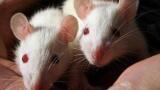
Dr Kate Moore, lead researcher at Queen Mary University of London, explains: “The αvβ6-targeting antibody called 264RAD had been shown to reduce tumour size and spread in our previous studies with Astra Zeneca , but hadn’t been tested in combination with other drugs. We found that simultaneously targeting αvβ6 and HER2 in mice with tumours grown from human breast cancer cells, greatly improved the effectiveness of Herceptin (trastuzumab) – even eliminating tumours that did not respond to Herceptin alone, which could represent a huge breakthrough in tackling these highly aggressive cancers.”
Published online in the Journal of the National Cancer Institute.
ILM 51.6 Sept 2026

 Product directory












.jpg)
,-photo-Karin-Allander.jpg)




.jpg)




.jpg)
