News
Azenta, Inc has entered a strategic partnership with UK space biotech company Frontier Space to support life sciences research in microgravity, marking another step toward routine pharmaceutical and biological experimentation in orbit.
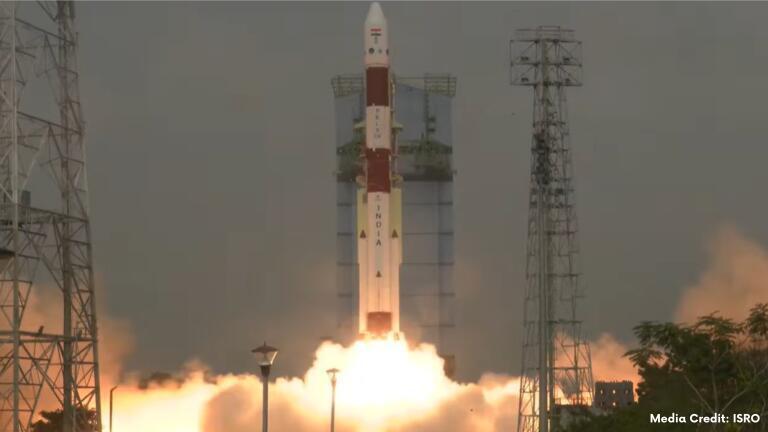
The collaboration includes participation in the recently launched EGGS-2 (Early Gen micro-Gravity Service) mission, developed with Orbital Paradigm. The mission was designed to test Frontier Space’s SpaceLab Mk 2 research platform under real launch and orbital conditions, providing critical validation of its performance in space.
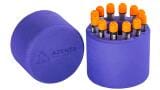
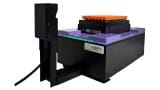
As part of the payload, 42 passive experimental samples were secured in FluidX™ 0.26 mL tubes supplied by Azenta Life Sciences. Selected for their precision engineering and durability, the tubes were integrated into a custom-built container engineered to protect samples during launch and spaceflight. The mission offered an opportunity to assess how established sample management technologies perform beyond terrestrial laboratory environments.
A central objective of the campaign was to evaluate the platform’s active thermal management systems, including temperature control and thermal cycling capabilities essential for life sciences experiments in microgravity. Embedded thermal sensors monitored environmental conditions throughout the mission, generating data on how spaceflight affects stored biological materials. Microgravity conditions are known to influence biological processes in ways that are difficult to replicate on Earth, potentially accelerating research cycles and revealing new scientific insights.
Dr Aqeel Shamsul, CEO of Frontier Space, said the mission represents a key milestone in validating orbital research infrastructure. “By testing our systems in real space conditions, we are building confidence in our platform and accelerating technology development. Reliable sample storage is fundamental to enabling future pharmaceutical research and biomanufacturing in orbit.”
Michael Bussmann, Vice President and General Manager, Consumables and Instruments at Azenta Life Sciences, added that the collaboration demonstrates how laboratory technologies can extend into emerging research environments. “Ensuring sample integrity under extreme conditions is critical. Participating in this mission allows us to evaluate performance in one of the most demanding settings possible.”
The flight forms an early-stage step in assessing how conventional laboratory consumables and handling systems translate to space-based research platforms. As commercial interest in orbital R&D expands, such validation studies are expected to play an increasingly important role in establishing dependable scientific workflows beyond Earth.
More information online
ILM 51.6 Sept 2026



 Product directory