Sample preparation
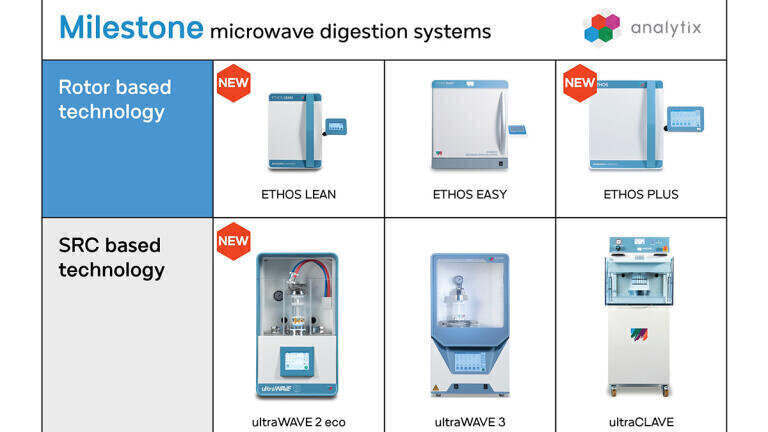
Digestion systems sometimes lack a particular specification such as capacity and temperature capability however three new Milestone microwave instruments from Analytix complete a family of seven systems that ensure all application requirements are met.
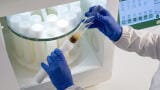
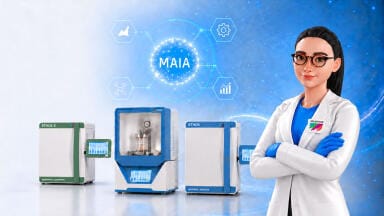
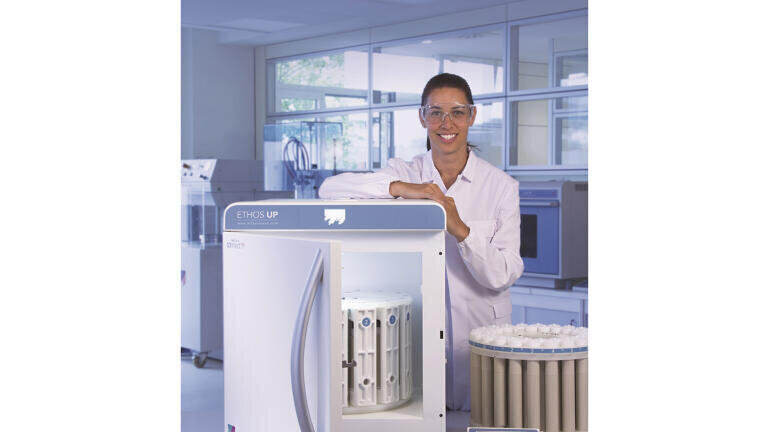
The Milestone Labstation rotor based range now comprises of four different models for batch processing with capacity from 6 up to 44 samples. The new ETHOS LEAN is specifically designed to provide high-quality closed-vessel acid digestion for laboratories with limited throughput needs whereas the ETHOS EASY/UP and ETHOS PLUS systems offer enhanced sample capacity with a choice of rotors from 15 samples to 44 plus microwave solvent extraction, high-temperature fusion, vacuum evaporation, organic synthesis, and protein hydrolysis. They also offer multifunctional capabilities with digestion, extraction, and ashing all in the same system, perfect for laboratories with constant changing sample preparation requirements.
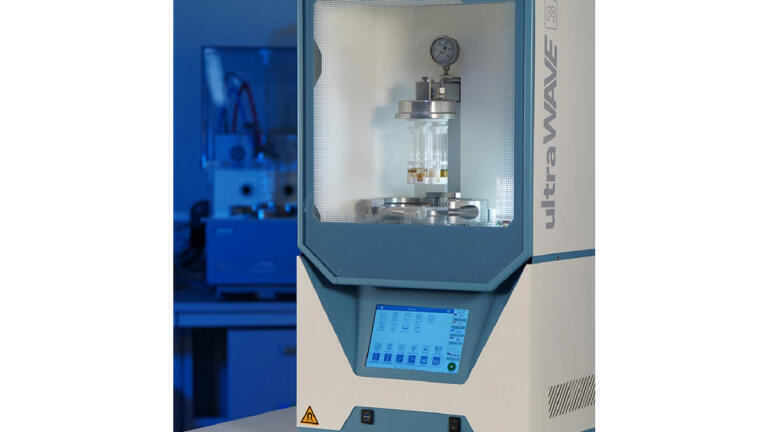
One new single reaction chamber (SRC) system complements the present two systems available. SRC technology allows any combination of sample types and weights with different acid chemistries to be digested at the same time so there is no need to batch samples of the same type into separate runs. The new ultraWAVE 2 eco along with the ultraWAVE 3 and the fully automated ultraCLAVE provide sample capacity options from 3 to 77 samples. Minimal handling also speeds up the preparation stage plus high digestion temperatures and operating pressures enable complete digestion of the most difficult samples.
To assist in choosing an appropriate digestion process for the laboratory, an e-book download is available from Analytix that presents a ‘total workflow’ approach to sample preparation in elemental analysis. It includes the ways to improve key aspects via optimisation of the following steps: Acid supply and quality, reagent addition, vessel handling, microwave digestion, sample filtering, and labware cleaning.
As well as key aspects, the e-book also offers practical advice for preventing workflow disruptions such as incomplete digestions or sample contamination that restrict a laboratory from meeting overall performance, costs, and safety goals. Also included are direct links to videos, technology reports, multiple webinars, and two case studies employing the ‘total workflow’ approach has resulted in lower costs and time saving benefits plus reduced errors and contamination.
For further information visit the website.
ILM 51.6 Sept 2026



 Product directory