Sample preparation
As next-generation sequencing (NGS) workflows increasingly rely on lower DNA and RNA inputs and greater automation, minimising sample loss has become critical. Azenta Life Sciences offers a range of Low DNA Binding consumables designed to support consistent performance in sensitive molecular biology applications.
While polypropylene is widely used for PCR and sequencing due to its durability and thermal stability, low nucleic acid concentrations can increase the risk of DNA or RNA interacting with plastic surfaces. Azenta’s Low DNA Binding consumables are manufactured from carefully selected polypropylene polymers engineered to reduce this interaction, helping to limit avoidable sample loss during multi-step workflows such as NGS library preparation.
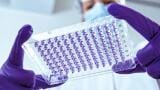
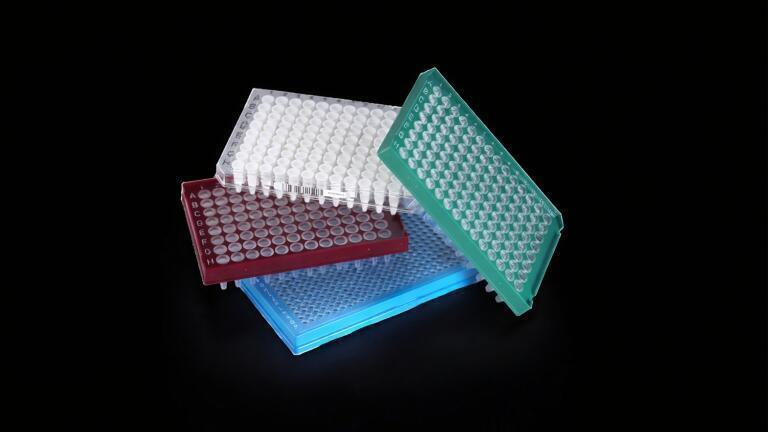
The range includes FrameStar® PCR plates in 96- and 384-well formats, featuring thin-walled polypropylene wells for efficient heat transfer and rigid polycarbonate frames to support accurate robotic handling. Extra-rigid skirted designs enhance stability on high-throughput platforms. Low-binding storage and deep well plates are also available to support magnetic bead-based clean-up and other common NGS preparation steps.
All products are certified free from human genomic DNA, nucleases and pyrogens, and undergo performance and leak testing. In an independent comparison study, Azenta’s low-binding PCR plates showed no significant DNA loss after incubation, while some alternative products demonstrated measurable loss at low starting concentrations.
More information online
ILM 51.6 Sept 2026




 Product directory