Sample preparation
Tri-coded storage tubes designed for maximum sample recovery are becoming essential for labs handling precious materials, from stem cells and enzymes to antibodies and rare compounds. Large dead volumes in standard tubes can lead to significant sample loss, particularly when working with high-value or limited reagents.
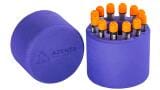
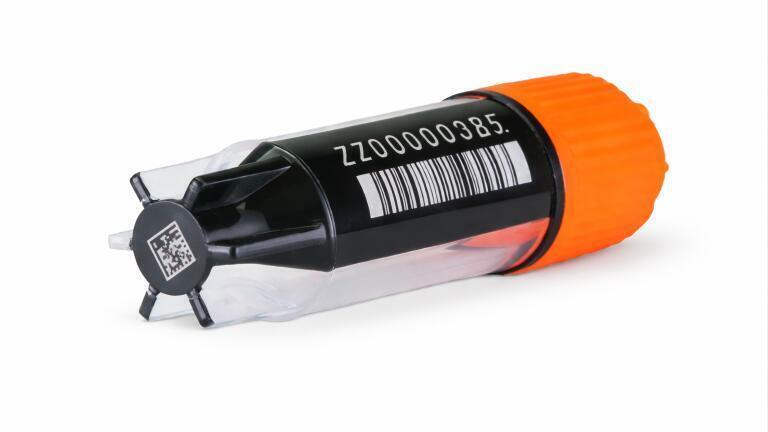
Azenta Life Sciences addresses this challenge with its 1.6 ml tri-coded Maximum Recovery tube. Engineered for automated workflows, the tube features a uniquely shaped bottom that allows liquid handling systems to retrieve more sample than conventional designs. By optimising the internal taper near the tube base, the design minimises residual volume while maintaining compatibility with industry-standard pipette tips.
Independent testing highlights the advantages of this approach. Over a run of 100 tubes, the 1.6 ml Maximum Recovery tubes yielded an extra 16 ml compared with standard 1.9 ml tubes – a significant difference when working with costly or hard-to-produce reagents. The result is not only better sample utilisation but also potential savings on reagent purchases.
Beyond efficiency, the Maximum Recovery tube supports sustainable lab practices by reducing waste across the workflow. Its tri-coded format ensures easy identification and seamless integration into automated systems, helping laboratories maximise both sample recovery and operational productivity.
In addition to maximising sample recovery, these tri-coded tubes offer industry-leading traceability, enabling secure tracking and data sharing across users, labs, and locations. This ensures a lifelong chain of custody for valuable samples while supporting sustainable practices throughout the workflow.
More information online
ILM 51.6 Sept 2026



 Product directory