Chromatography
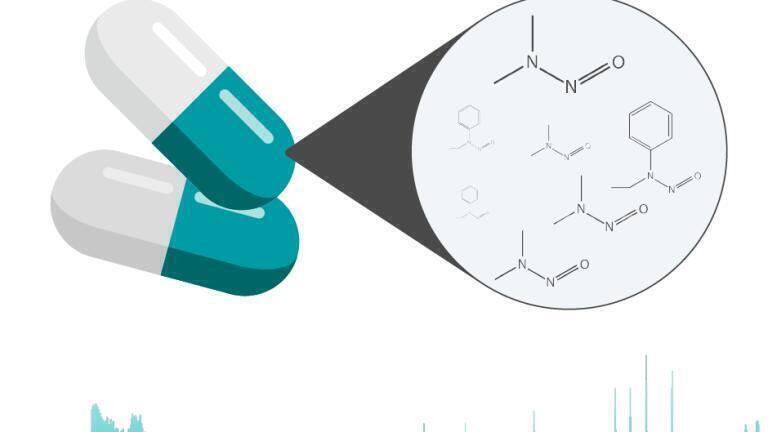
In recent years, nitrosamine contamination has emerged as one of the most pressing challenges for pharmaceutical manufacturers. Following the detection of NDMA in valsartan in 2018, similar issues surfaced in ranitidine, metformin, and other products—leading to large-scale recalls, regulatory scrutiny, and financial penalties.
As regulators like the EMA and FDA now require comprehensive nitrosamine risk assessments, manufacturers face a difficult task: many nitrosamines can form from unexpected sources such as excipients, raw materials, packaging, or even during synthesis. Traditional targeted testing may miss these hidden threats.
Most laboratories rely on targeted methods to detect known nitrosamines. But if a nitrosamine isn't on the list—or if it's formed through new pathways during production—it can easily go unnoticed. This leaves manufacturers vulnerable to undetected contamination and subsequent non-compliance.
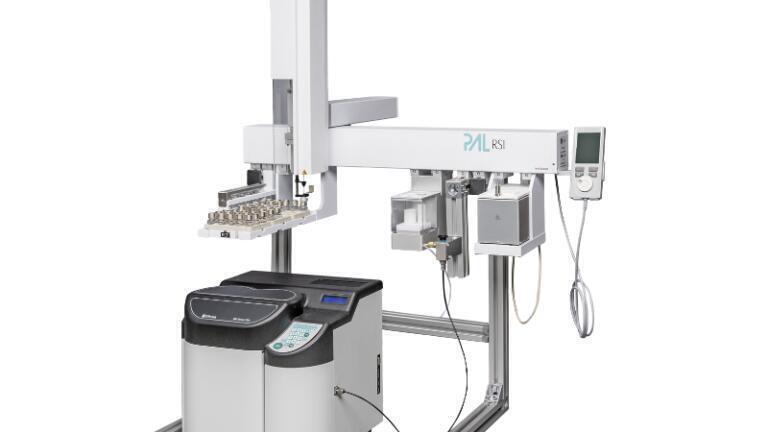
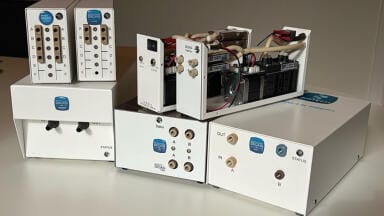
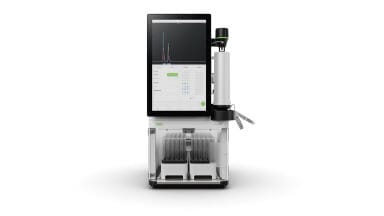
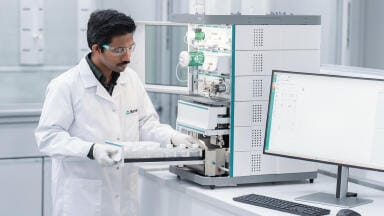
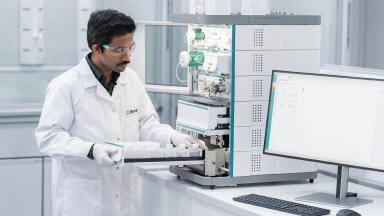
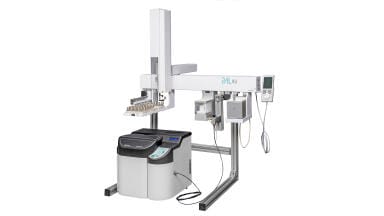
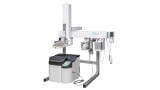
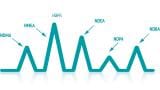
Ellutia’s Automated Total Nitrosamine Analyser (ATNA) offers a powerful screening solution through ATNC analysis. Unlike targeted methods, ATNC testing detects all nitrosamines by identifying the shared nitrosamine functional group, without needing reference standards for each compound.
This makes the ATNA ideal for high-volume quality control labs that want to identify issues early, conserve analytical resources, and meet evolving regulatory requirements with confidence.
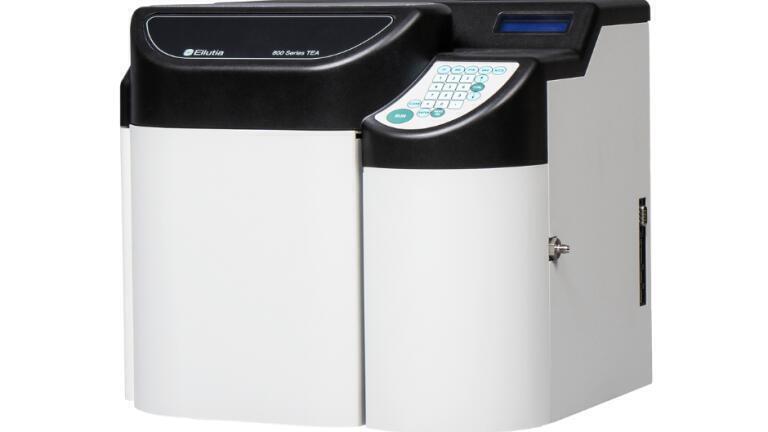
If the ATNA flags a high ATNC value, a follow-up analysis with GC-TEA or other methods can be used to identify the specific nitrosamines present. Ellutia’s GC-TEA system, with its ability to detect all volatile nitrosamines (including unknowns), provides the highest confidence in final confirmation.
Discover how Ellutia’s ATNA system works and how it can help your lab stay ahead of nitrosamine risks. Watch our free on-demand webinar now.
ILM 51.6 Sept 2026



 Product directory


















.jpg)
