Chromatography
Published over 4 years ago. See the latest and most current information on Chromatography.
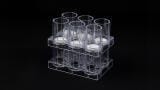
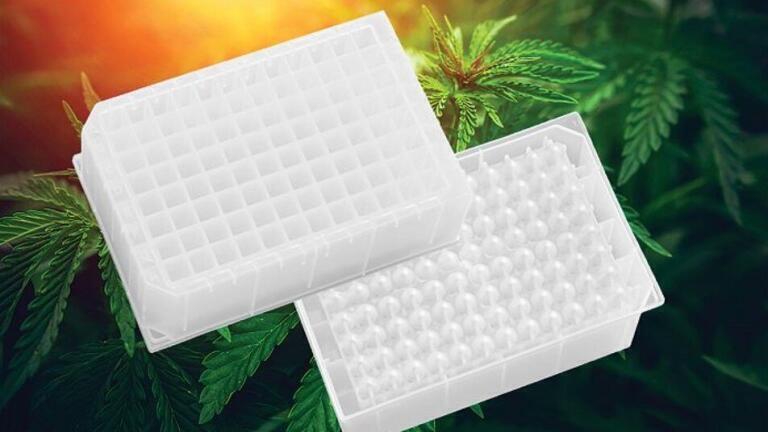
Porvair Sciences has developed a 2 ml 96-well microplate whose design is optimised for labs processing cannabis samples for analysis of Tetrahydrocannabinol (THC) and Cannabidiol (CBD).
Sample processing is the second step in testing cannabis strains. This is carried out after collecting leaf, bud, and flower samples from cannabis plants, ready for accurate determination of the THC/CBD ratio by HPLC.
Traditionally sample processing protocols have used bead-beating or grinding mills to homogenise the plant materials. When this sample processing is carried out in standard polypropylene microplates, the extreme forces applied by these machines can cause damage to the plates, leading to cracking, leaking, and incorrect results due to sample cross-contamination.
To address these design shortfalls, Porvair Sciences developed a reinforced microplate that could withstand the applied forces in bead beaters while maintaining a standard ANSI/SLAS footprint making the methodology automation compatible.
Based upon a 2 ml square well block design, Porvair Sciences cannabis sample processing microplate sets a new standard for reliable, high productivity cannabis plant processing. To ensure that no contamination from the plate will affect the THC/CBD analysis, Porvair Sciences only uses pure, extractables free polypropylene, to manufacture its plates.
More information online
ILM 51.6 Sept 2026





 Product directory