Clinical
Researchers have identified bacteria and bacterial biofilms embedded within calcium oxalate kidney stones, challenging the prevailing view that the most common stone type forms through chemistry and physics alone
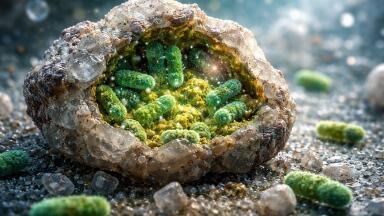
A University of California, Los Angeles-led research team has reported evidence that bacteria can exist inside calcium oxalate kidney stones – the most common form of the condition – in a finding that could reshape scientific understanding of how these painful deposits develop.
The work has suggested that microbes may contribute directly to stone formation rather than merely co-existing in the urinary tract. The authors have argued that the discovery could point towards therapeutic approaches that aim to disrupt microbial communities within stones, with potential relevance for both prevention and treatment.
“This breakthrough challenges the long held assumption that these stones develop solely through chemical and physical processes and instead shows that bacteria can reside inside stones and may actively contribute to their formation,” said Dr Kymora Scotland, assistant professor of urology at the David Geffen School of Medicine at UCLA and a co-senior author of the study.
“By uncovering this novel mechanism, the study opens the door to novel therapeutic strategies that target the microbial environment of kidney stones,” she said.
Kidney stones form when minerals in urine crystallise and aggregate into solid masses that can lodge within the urinary tract. The deposits may remain asymptomatic, but they often cause severe pain, nausea, haematuria and urinary obstruction. In some cases, stones contribute to infection and, more rarely, to kidney damage. The condition has become increasingly common in many regions, with risk shaped by genetics and by modifiable factors such as hydration and diet.
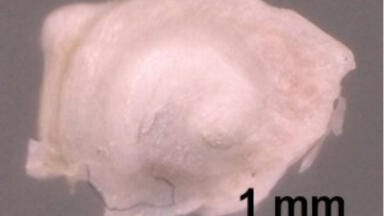
The researchers described kidney stones as clumps of small crystals that expand once they reach a size that urine flow can no longer flush from the kidney. They noted that risk factors include a family history of stones, metabolic syndrome and low fluid intake. While stone disease includes several distinct chemical types, calcium oxalate accounts for almost 80 per cent of cases, which has made it the primary focus for both clinical management and mechanistic research.
Microbial involvement in kidney stone disease is not, in itself, entirely unknown. Clinicians have long recognised that struvite stones can arise in association with urinary tract infection caused by urease-producing bacteria. However, calcium oxalate stones have generally been treated as a different entity, with models that emphasise supersaturation of minerals in urine, crystal adhesion to kidney tissue and subsequent growth through physicochemical processes. The UCLA-led team has argued that this conceptual separation may have overlooked microbial processes that operate even within ostensibly ‘non-infectious’ stones.
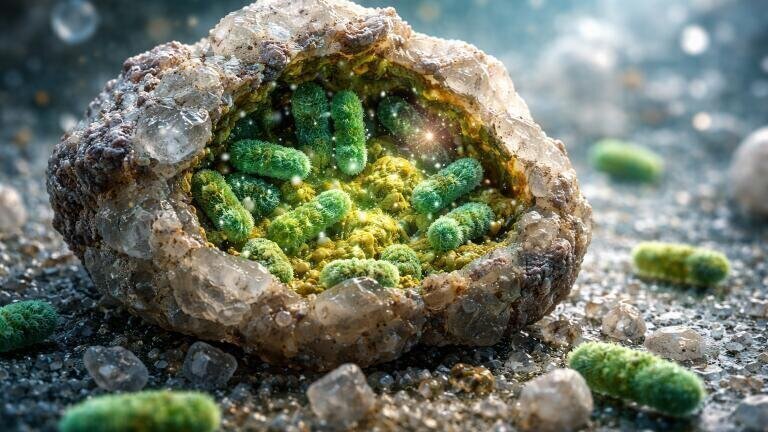
In the study, the team analysed calcium oxalate stone samples with high-resolution microscopy approaches, including electron microscopy and fluorescence microscopy. While they examined these datasets, they reported an unexpected observation, finding that live bacteria were located within the stone material. There were bacterial biofilms that appeared integrated into crystal layers. Biofilms are structured microbial communities that produce a protective matrix, which can allow organisms to persist in harsh environments and resist eradication.
The presence of biofilms embedded within the crystalline architecture has suggested, the authors said, that microbes might influence early nucleation events, facilitate crystal aggregation or alter the local microenvironment in ways that favour mineral deposition. Such processes could help to explain why calcium oxalate stones prove so prevalent and why recurrence remains common even when patients adopt conventional preventive measures.
“We found a novel mechanism of stone formation that may help to explain why these stones are so common.
“These results may also help to explain the connections between recurrent urinary tract infections and recurrent kidney stone formation and provides insights on potential future treatment for these conditions,” Scotland said.
The researchers described the work as multi-institutional and positioned it within an emerging effort to understand how microbial communities interact with mineral surfaces in the urinary tract. Professor Gerard Wong, of the UCLA Departments of Bioengineering and Chemistry and the California NanoSystems Institute at UCLA, was as a co-author on the study.
The findings have raised several immediate questions for the field. First, causality whether bacteria initiate stone formation, accelerate growth after crystals form, or become trapped as stones expand. A second concerns specificity whereby bacterial species appear within calcium oxalate stones, how those organisms reach the site of mineral deposition and what traits allow them to persist within an apparently inhospitable, mineral-rich environment.
The team also suggested that microbial entombment might not be confined to calcium oxalate stones. Scotland indicated that bacteria could plausibly contribute to other stone types, an idea that would extend the potential clinical impact of the work beyond the most common subtype. At the same time, the authors emphasised that the study focused on calcium-based stones and they noted that the mechanisms behind less common stone types remain uncertain.
More broadly, the report has reinforced a growing view that kidney stone disease may represent a complex interplay between urine chemistry, host physiology and microbial ecology. If microbes influence stone nucleation or growth, then strategies that address only urine supersaturation might prove incomplete for some patients.
Future interventions could therefore combine conventional measures, such as improved hydration and dietary modification, with approaches that aim to alter the urinary microbiome or disrupt biofilm integrity.
The researchers stated that further work will need to define precisely how bacteria interact with calcium-based stones, and why some patients remain particularly susceptible to recurrent episodes. They also described ongoing studies that aim to identify how specific bacterial species might nucleate stones which could help to prioritise targets for prevention.
“We want to understand exactly what makes some patients particularly susceptible to recurrent stone formation. And what it is about these particular species of bacteria that allows them to nucleate these stones,” Scotland concluded.
For further reading please visit: 10.1073/pnas.2517066123
ILM 51.6 Sept 2026



 Product directory


.jpg)
.jpg)