Laboratory products
Published over 9 years ago. See the latest and most current information on Laboratory products.
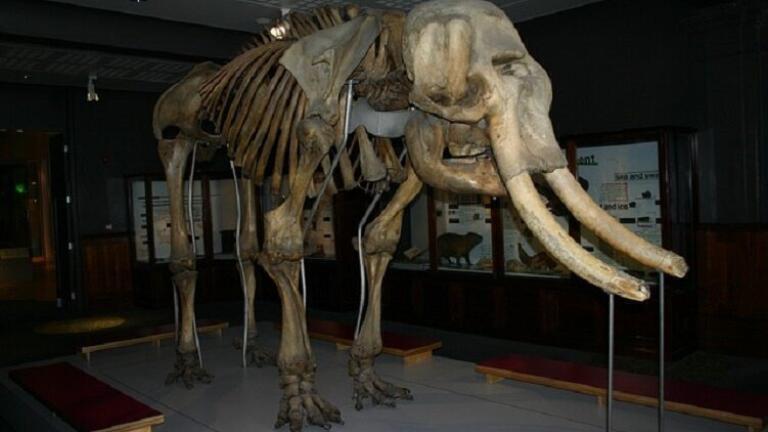
Woolly mammoths could be transported back from extinction within the next few years, the scientists behind a pioneering resurrection plan have claimed. Although they vanished from the face of the Earth 4000 years ago, a team of Harvard scientists say they are on the brink of resurrecting the ancient creature, through an extraordinary act of genetic engineering. Read on to find out how.
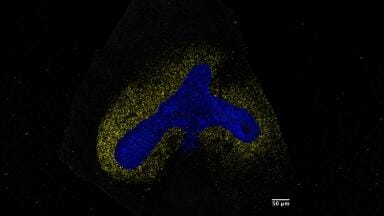
The Harvard Woolly Mammoth Revival team has been studying allele replacement within elephant cells – their aim being, to produce a hybrid elephant-mammoth embryo. Commenting on this revolutionary project in the Sunday Times, professor of genetics George Church explains that "We now have functioning elephant cells with mammoth DNA in them. We have not published it in a scientific journal because there is more work to do, but we plan to do so.”
With a plethora of fascinating extinct beasts at their fingertips, why – you might ask – have Scientists decided on the woolly mammoth as the front runner in this brave new revival mission?
Well, one possibility is that the answer could lie in species re-population. Mammoths, like African elephants, were very large herbivores and the engineers of grasslands. Beth Shapiro, a professor of ecology and evolutionary biology at the University of California, supports the view that the Mammoth’s timely return to the Arctic could provide new habitat for other endangered species and increase the population of elephants worldwide.
"If by doing that we can re-establish these interactions that have been gone, and thereby save living species and living ecosystems from extinction, then I think this is a compelling reason to think about this technology,” said the author of ‘How to Clone a Mammoth’.
Putting science aside, the answer behind why we would choose to unearth this historic creature could quite simply lie in humanity's fascination with the earth's largest animals. By bringing them back, we could gain insight into the many unsolved mysteries surrounding their disappearance from our planet.
Breakthroughs like this are only possible because of advances in genomic analysis technologies. This vast field was one of the key discussion topics at Pittcon 2017, where speakers from Tufts University, Illumina and LabCorp Pharmaceuticals offered unique insight. Find out more about the exciting event in the article ’See Innovation in a New Light at Pittcon 2017’.
ILM 51.6 Sept 2026




 Product directory