Research news
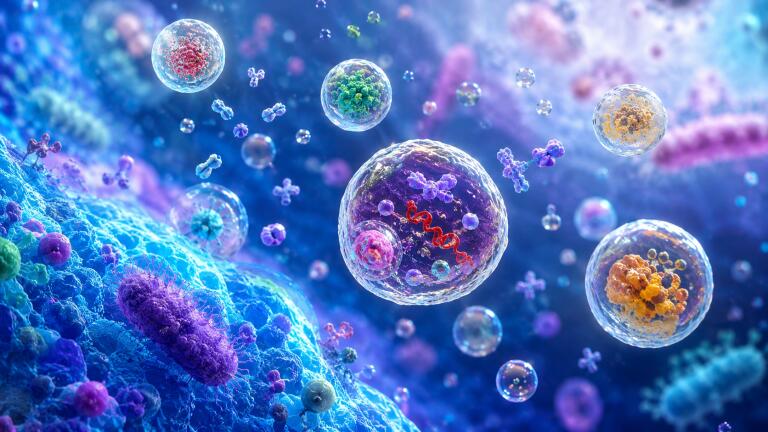
Researchers in China have reviewed how bacterial extracellular vesicles could be engineered as antibacterial agents, vaccine platforms and targeted drug delivery systems
Bacterial infections continue to remain a major global health challenge, causing millions of deaths each year and becoming increasingly resistant to available treatment regimes. Although antibiotics have long provided the foundation for infection control their excessive use has accelerated antimicrobial resistance. At the same time, the slow pace of discovery of novel antibiotics has created an urgent need to develop strategies that can prevent and treat infection without adding further selective pressure for resistance.
A research team led by Professor Honggang Hu and Dr Yejiao Shi from the Institute of Translational Medicine at Shanghai University, China, together with Professor Cuiping Zhang and Dr Xi Liu from the Medical Innovation Research Department at People’s Liberation Army General Hospital and People’s Liberation Army Medical College, both in Beijing, China, has examined bacterial extracellular vesicles as a potential therapeutic platform.
Bacterial extracellular vesicles are nanoscale, lipid-bound particles naturally secreted by bacteria. They can carry proteins, nucleic acids, metabolites and pathogen-associated molecular patterns which allow them to interact with pathogens and host cells. Because they are produced by both Gram-negative and Gram-positive bacteria, they represent a broad class of biological particles with potential relevance across infection biology, immunology and drug delivery.
The authors reported that bacterial extracellular vesicles have attracted interest because they combine biological activity with nanoscale delivery capacity. Their membrane structure allows them to protect molecular cargo, penetrate tissues and interact with specific cellular targets. These properties could make them useful not only as antibacterial agents but also as immune modulators, vaccine components and carriers for therapeutic molecules.
Natural bacterial extracellular vesicles already show antibacterial effects. According to the review, they can deliver enzymes such as autolysins and hydrolases, which degrade bacterial cell walls, as well as small molecules that inhibit biofilm formation. They can also interfere with bacterial adhesion to host tissues which could help to prevent infection at an early stage. This combination of antibacterial and anti-adhesion activity has made them an attractive alternative to conventional antibiotic approaches.
The review also described how engineering methods could improve their therapeutic value. Genetic modification of parent bacteria can produce vesicles with lower toxicity, higher yields or improved antigen presentation. Physical and chemical strategies can be used to load drugs, attach targeting molecules or combine vesicles with nanoparticles. These approaches could allow bacterial extracellular vesicles to function as multifunctional therapeutic systems.
“Bacterial extracellular vesicles combine the advantages of natural biological activity with the flexibility of modern engineering [and] … this allows them to be tailored for diverse therapeutic needs,” Professor Zhang said.
As vaccine components, engineered bacterial extracellular vesicles could stimulate robust immune responses without the risks associated with live or attenuated bacteria. As drug carriers, they could improve the stability, targeting and intracellular delivery of antibiotics, with the potential to help bypass some resistance mechanisms.
“The integration of bioengineering and emerging technologies such as artificial intelligence will further accelerate the development of bacterial extracellular vesicle-based therapeutics,” Professor Hu said.
The authors noted that important barriers remain before clinical use becomes possible. Bacterial extracellular vesicles can vary in composition and there is still a lack of standardised production methods. Long-term safety also requires careful assessment, particularly because vesicles can carry immunologically active bacterial components.
Even so, the review suggested that advances in multi-omics analysis, AI-assisted design and scalable bioengineering could help to optimise vesicle composition, improve reproducibility and reduce risk. If these challenges can be addressed, bacterial extracellular vesicles could become a flexible platform for future infection control, with applications in prevention, treatment and precision antimicrobial therapy.
For further reading please visit: 10.34133/research.1135
ILM 51.6 Sept 2026



 Product directory



















,-photo-Karin-Allander.jpg)







.jpg)
