Autoclaves
Published over 12 years ago. See the latest and most current information on Autoclaves.
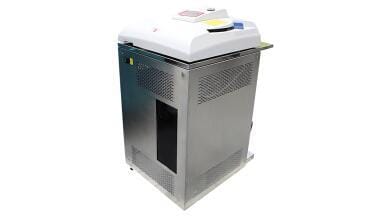
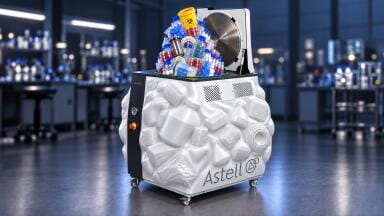
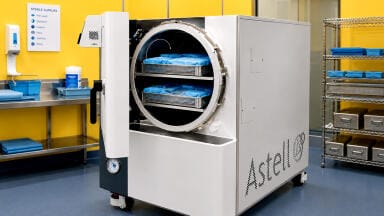
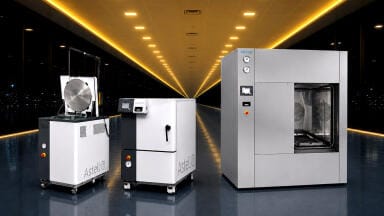
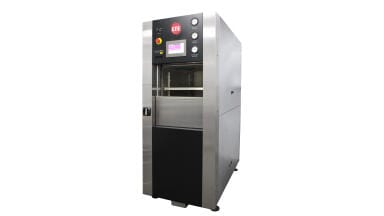
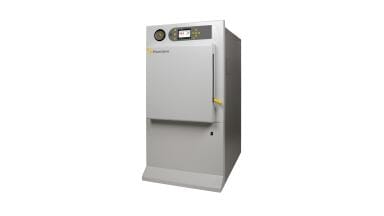
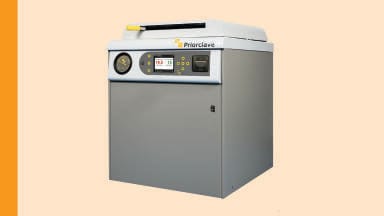
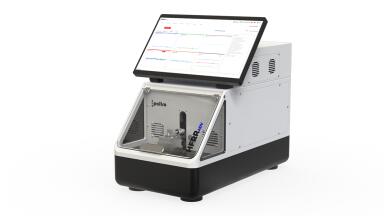
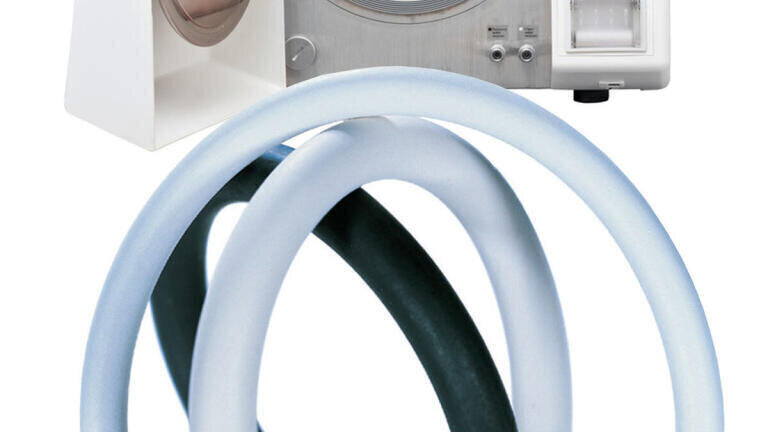
Autoclaves are widely used to sterilise equipment with high pressure saturated steam at temperatures of 121°C or more. These conditions can be maintained for 15 to 20 minutes, depending upon the size of the system load and the contents. Pressurised, high temperature steam is, however, one of the most aggressive operating environments, but this is necessary to achieve the high level of operating sterility and purity within the autoclave. In between system loads, autoclaves are also subject to continuous cleaning cycles at high pressure/temperature steam conditions.
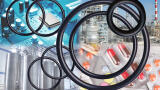
Typical autoclave applications include pharmaceuticals, microbiology, medicine, veterinary and mycology sciences, together with dentistry and general laboratories. A growing application covers the pre-disposal treatment and sterilisation of waste material, including pathogenic hospital waste to neutralise potentially infectious agents.
Because of such challenging applications, it is of paramount importance that autoclave components withstand the operating conditions. Autoclaves can contain in excess of 200 seals that need to maintain their performance in hot pressurised saturated steam, as well as also being FDA and USP Class VI compliant.
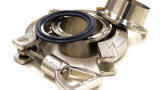
The DuPont™ Kalrez® 6230 perfluoroelastomer (FFKM) seals have been developed to meet such unique requirements while providing excellent sealing qualities to comply with modern pharmaceutical processes. These products are available from the UK authorised distributor Dichtomatik Ltd, and reduce extractables to trace levels while providing excellent steam cycling resistance up to 260°C. Where in-situ tests have been conducted with saturated steam at 4 bar pressure and 140°C temperature, the Kalrez® 6230 seal parts performed well over a four month test duration of eight hours per day and five days per week. At the end of the test period, the seals exhibited little or no cracks and only minor compression set when compared to competitive perfluoroelastomer (FFKM and FKM) materials.
ILM 51.6 Sept 2026




 Product directory